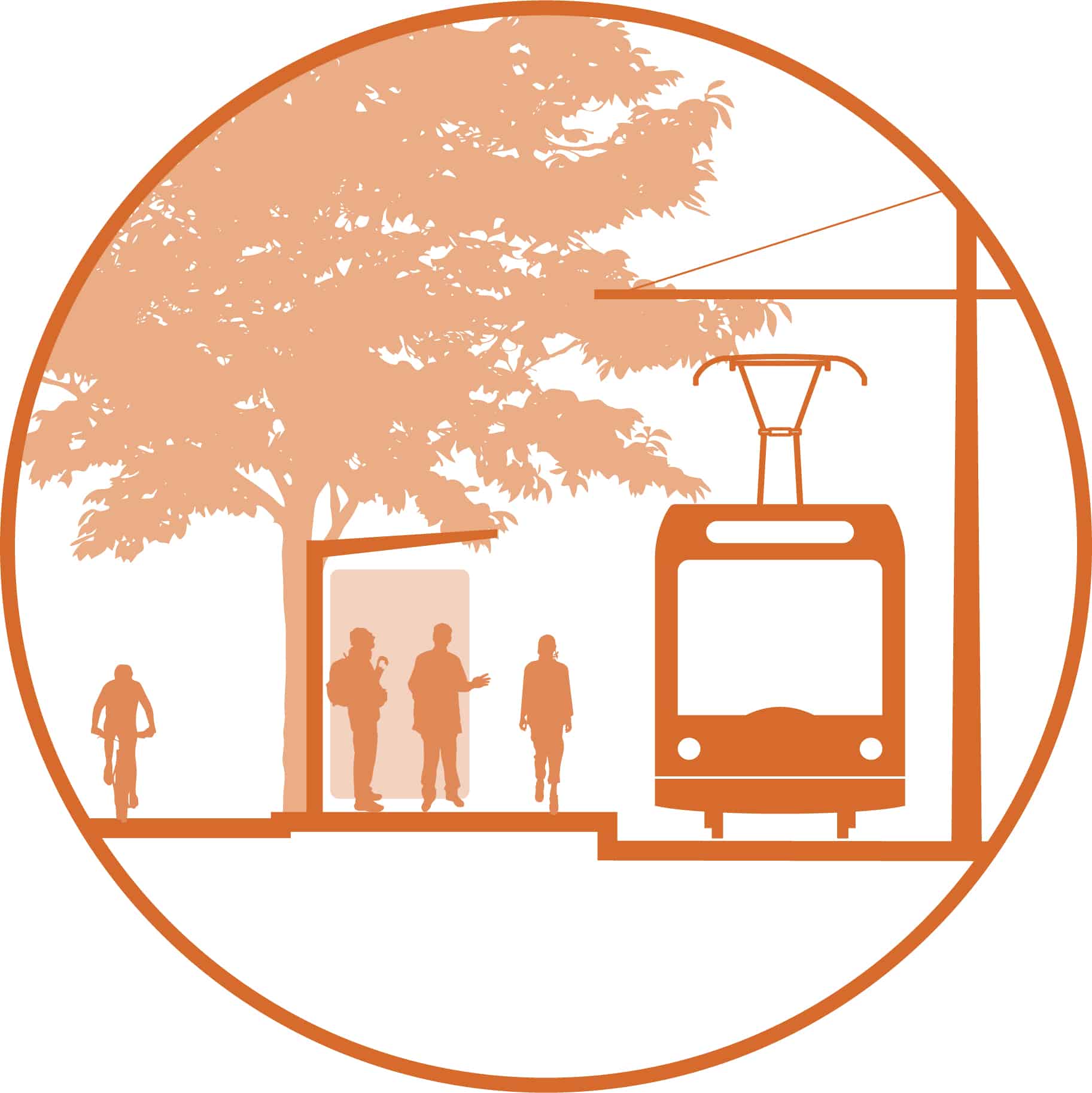
Better Streets, Better Service
Making transit work in cities means raising the level of design across the entire street network. Cities can take the lead on transit, creating dedicated lanes and transitways, designing comfortable stops and stations, and coordinating action with transit agencies on intersections and signals. Transit-first street design also means treating walking as the foundation of the transportation system. Ultimately, the efficiency of transit creates room for public space, biking and walking networks, and green infrastructure—allowing cities to remake their streets as safer, more sustainable public spaces.

Transit Creates Urban Places
Cities and transit are deeply linked. In vibrant, bustling cities, people are on the move, and transit plays an indispensable role in keeping them moving. Walkable urban places have a critical mass of people and activities that support and rely on transit to connect them to other places. Cities can strengthen this synergy by creating transit streets: places that move people.
With the majority of US residents preferring walkable, bikeable urban environments,1 the value of better transit accrues not only to existing transit passengers and newly attracted ones, but to people who will decide where to live and start businesses—in which neighborhood, city, or region—based on the availability of transit-served walkable neighborhoods. These location decisions affect the competitiveness of the entire metropolitan area and justify transit-first policies in street design and investment.
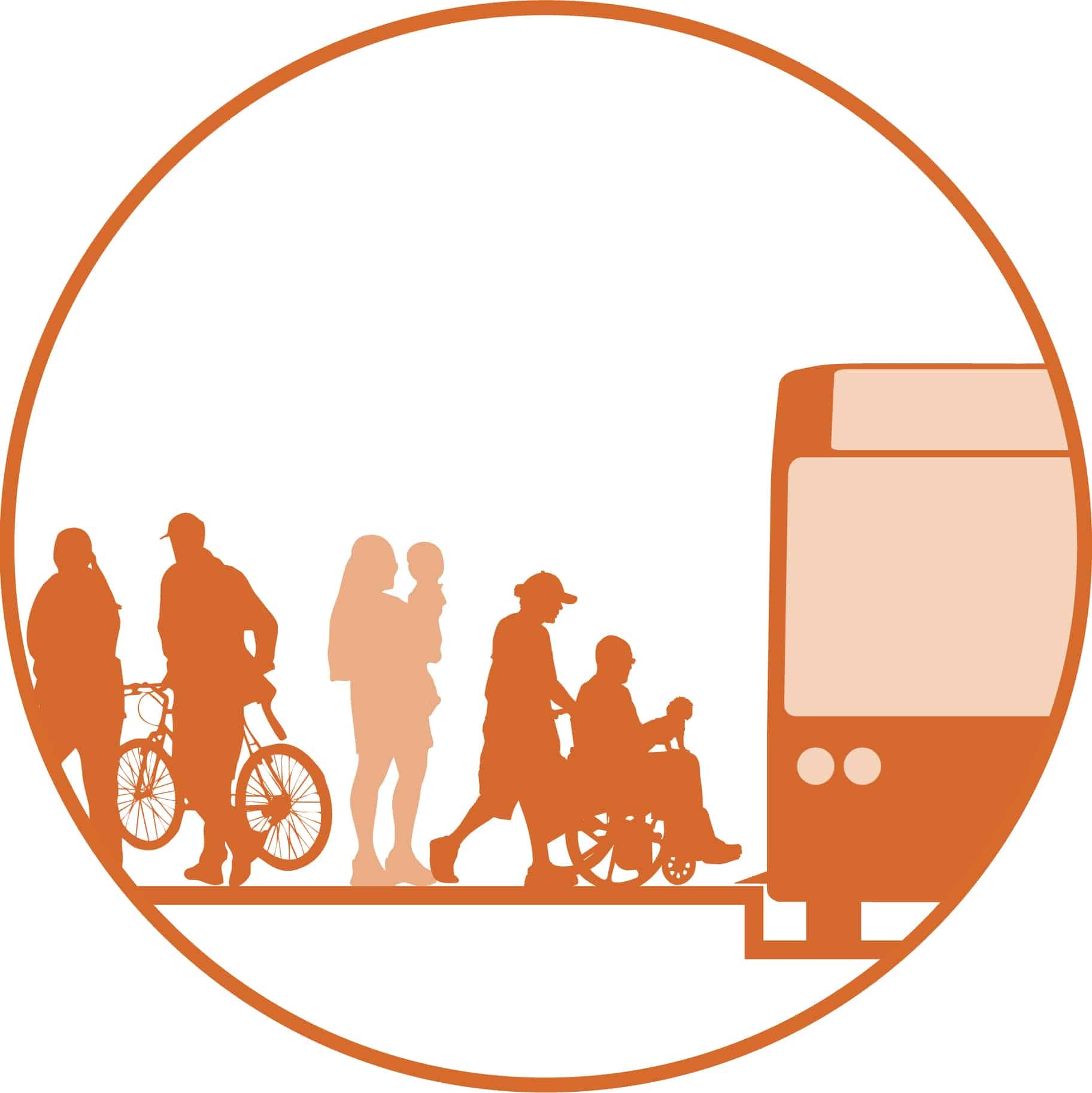
A Mobility Service For the Whole City
Making it possible to quickly and reliably go anywhere by transit is a way for cities to significantly improve quality of life. A transit system designed as a mobility service focuses on its value to the rider, providing prompt, seamless, and safe connections to where people want and need to go. A public transit-based mobility system, open to people of all ages and abilities, is fundamentally more equitable than one based primarily on private vehicles.
A crucial complement to the transit network is a suite of flexible, convenient, and affordable mobility choices—walking, bicycling, shared mobility, and on-demand rides—that, together with fixed-route transit, allow residents to avoid the costs of car ownership and make proactive decisions about each trip they take.
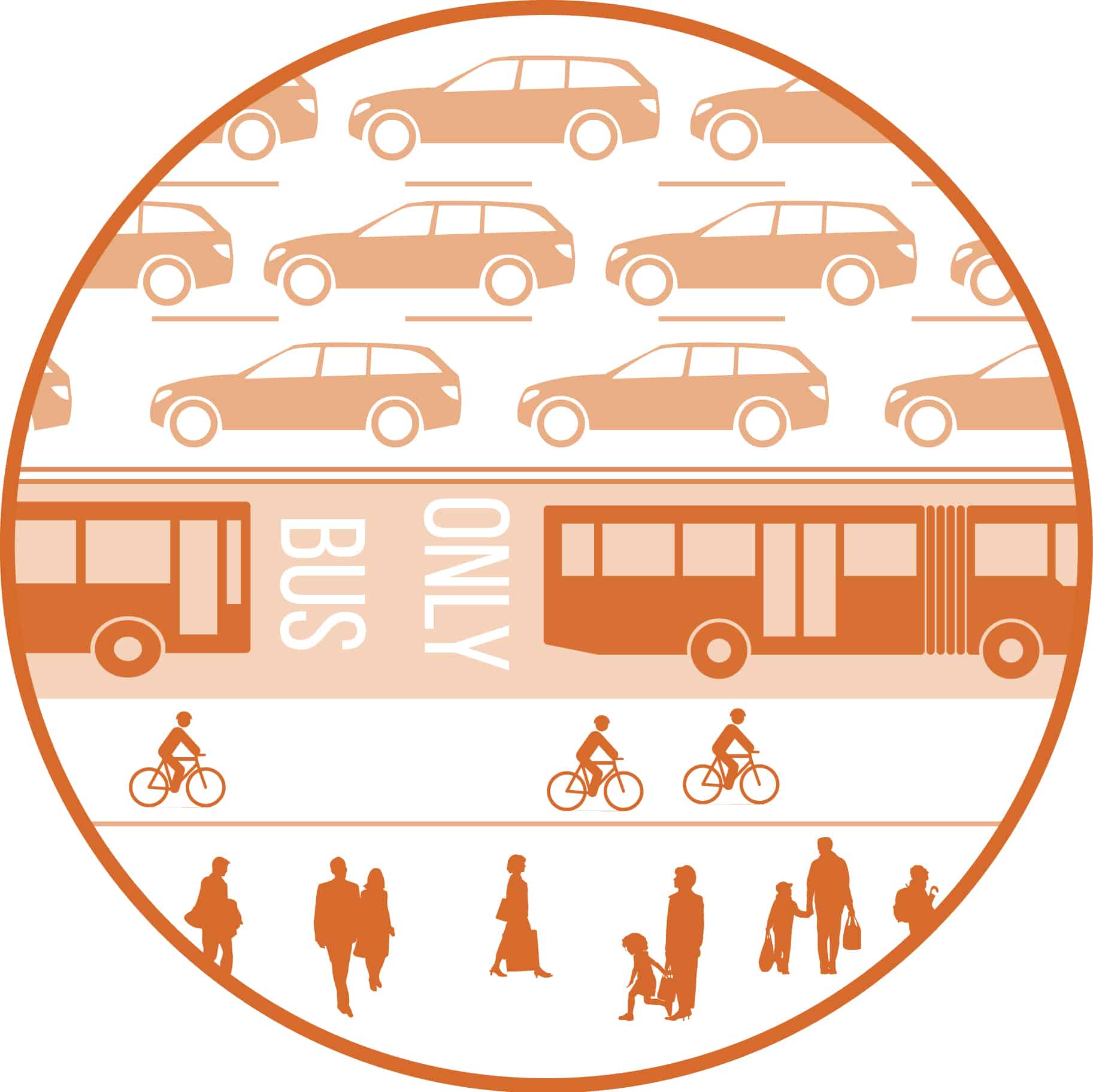
Growth Without Congestion
Transit streets allow growth in economic activity and developmental density without growth in traffic congestion by serving more people in less space. Transit is most productive for a city and most effective for riders when a large number of people want to travel along one street, but these types of streets are inherently prone to automobile congestion, with unreliable travel times when the most people need to travel.
Streets designed for rapid transit reverse this equation, making transit trips fastest on streets with high travel demand, where frequency is greatest. A public transit-based mobility system benefits everyone in a city, whether or not they choose to ride transit, as people using transit and private vehicles alike can access more destinations in the same amount of time after transit has been improved and density increased.
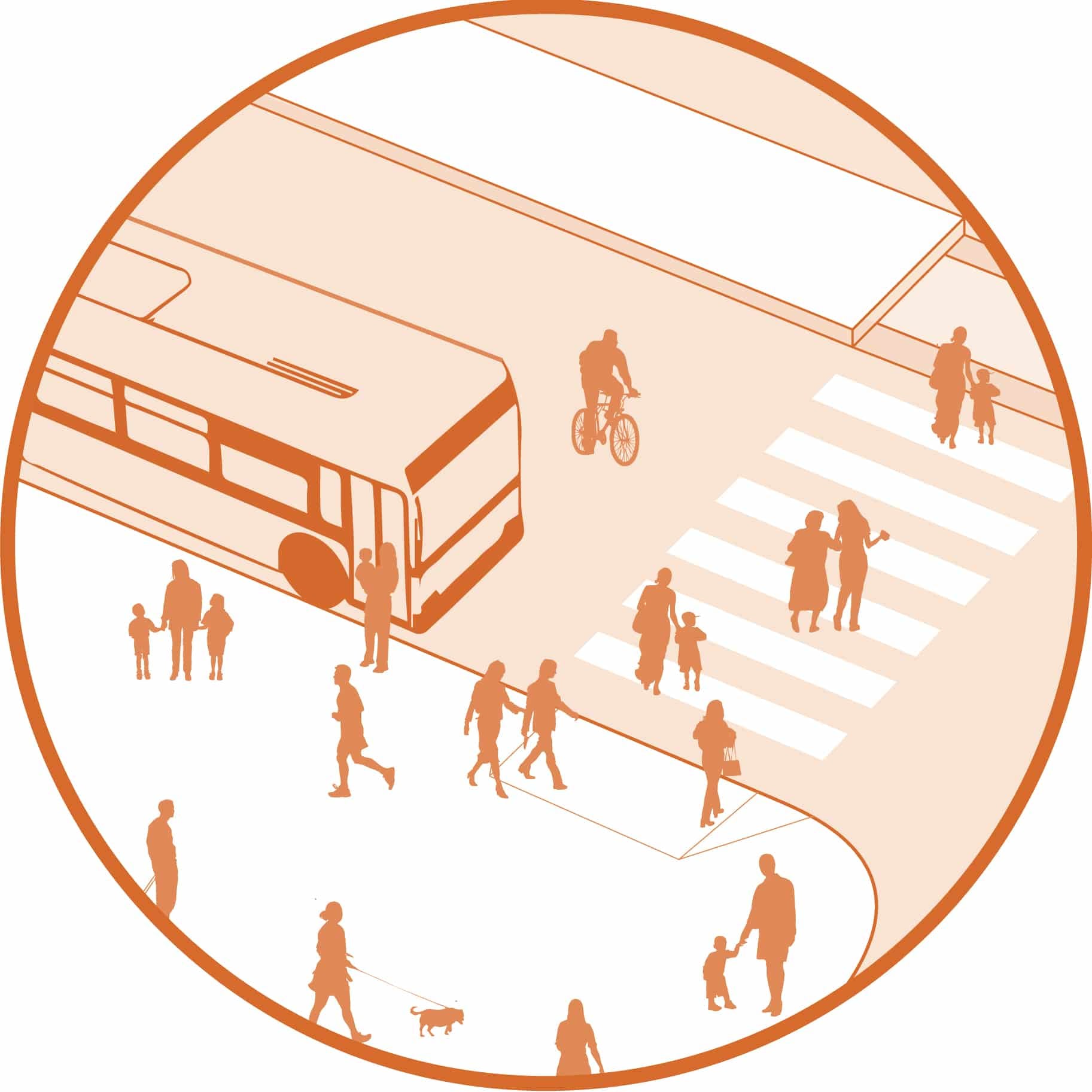
Safe Movement at a Large Scale
With transit’s order-of-magnitude safety advantage over private automobiles, promoting transit is integral to policies that seek sustained improvements in pedestrian, bicyclist, and vehicle occupant safety. Transit mode share and transit-supportive infrastructure are directly correlated to lower traffic fatality rates.2
Improving transit does not mean creating speedways, since higher top speeds have little benefit for transit on city streets. Transit streets designed with people in mind are safe places to walk and bike, and transit improvements go hand in hand with better pedestrian access, safer crossings, and more enjoyable public space.
Permanent Economic Benefits
Transit streets save both time and money, making frequent service into a financially sustainable proposition and setting off a virtuous cycle of more riders, more service, and more street space for people. Beyond the well-documented local economic benefits of transit-friendly street design, savings are accrued by transit agencies, which can provide mobility to more people at a lower cost, as well as to passengers who can access more destinations faster. And since transit supports higher-value, more compact development, it is a more fiscally sustainable investment than highway infrastructure. These savings are good for businesses and residents along a transit corridor and far beyond.