Responding to an escalating challenge on city streets
Credit: City of Austin
Credit: Alamy
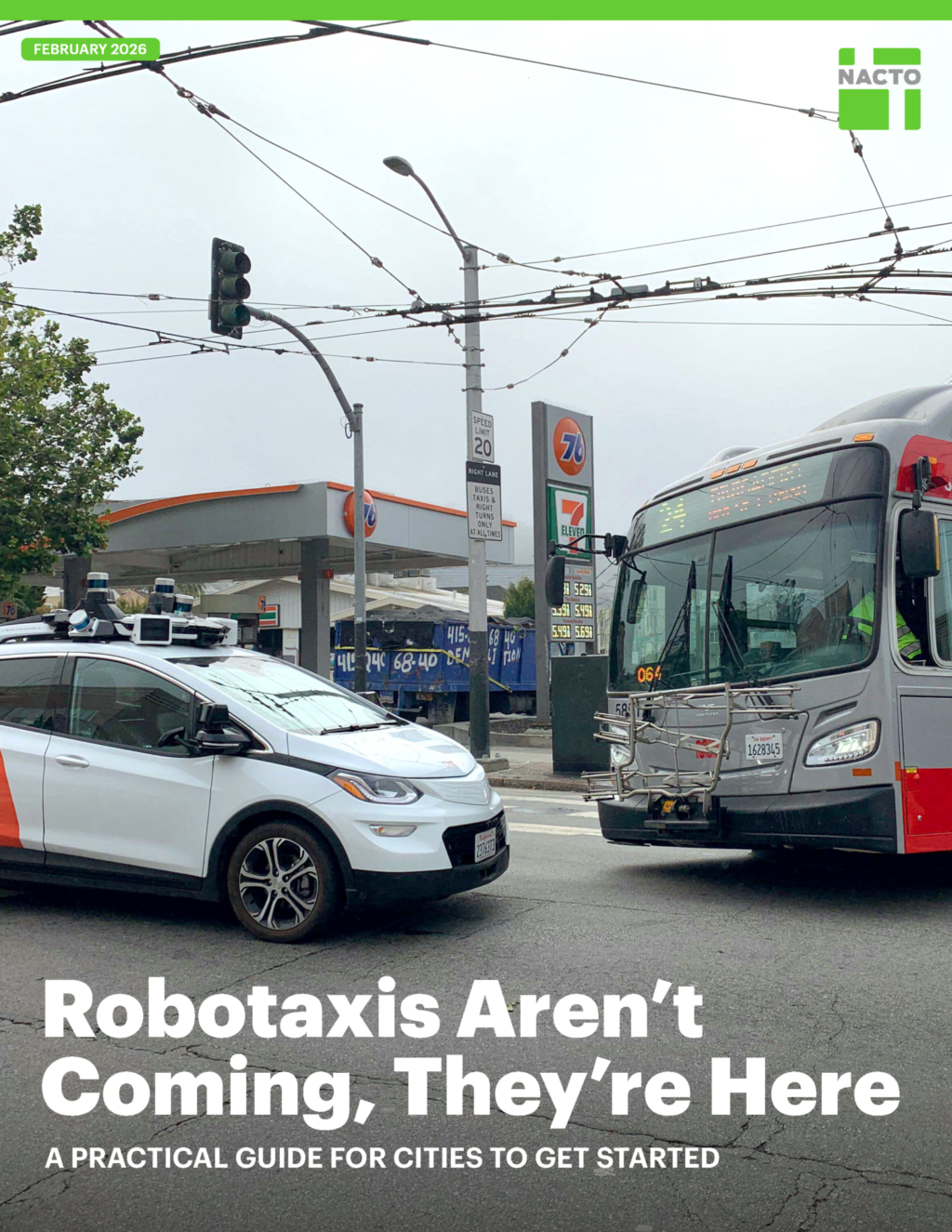
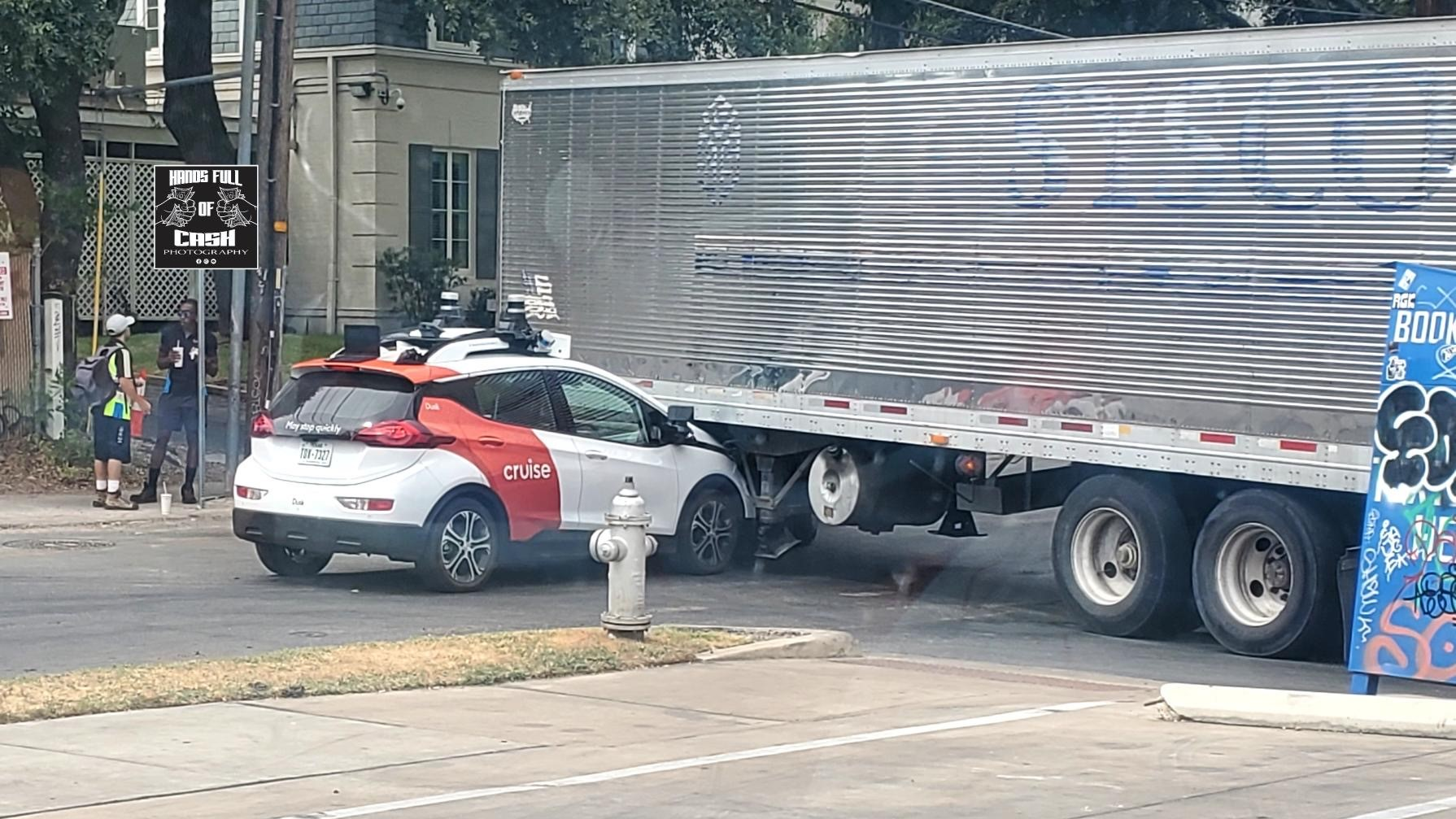
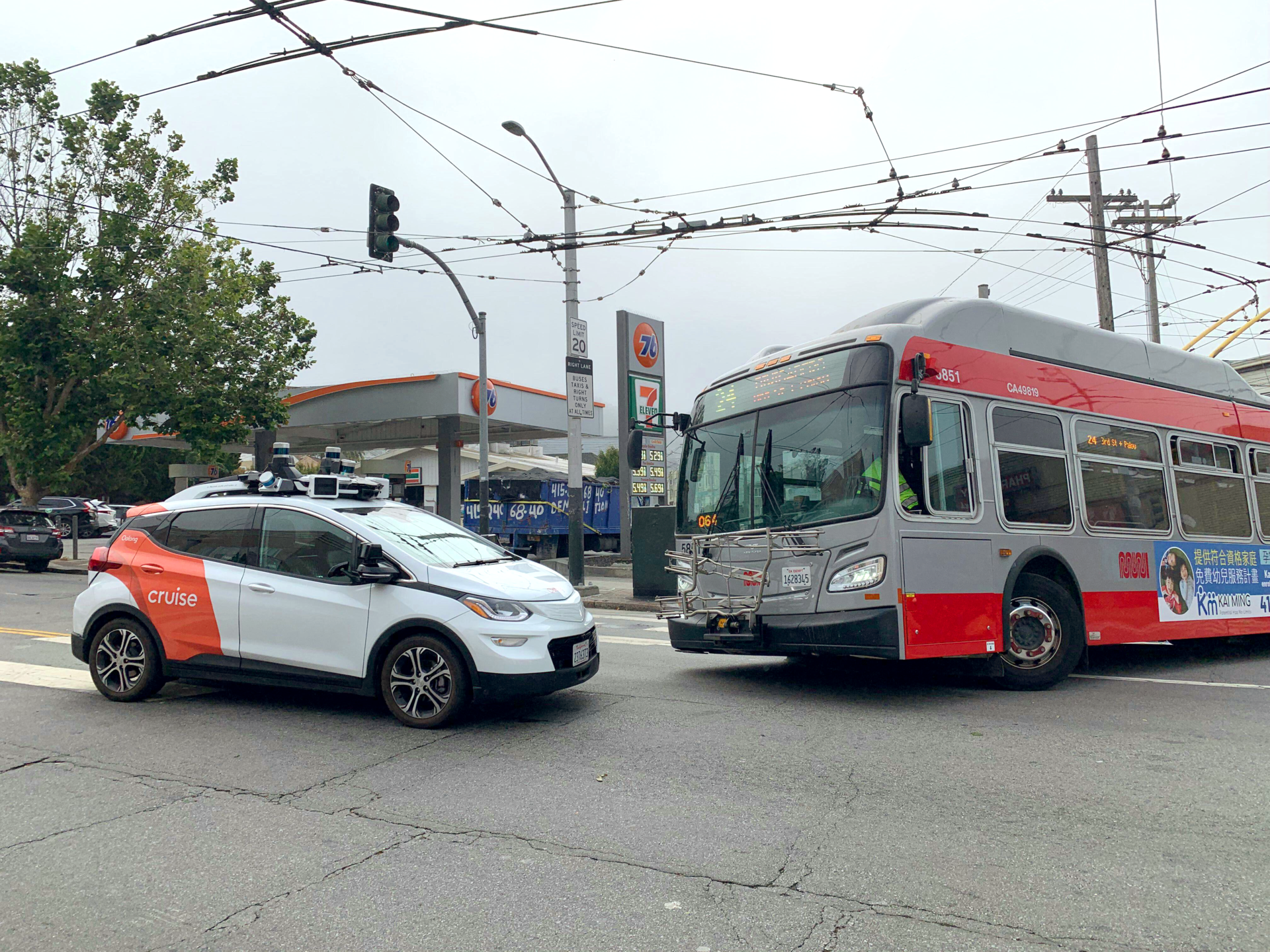
Robotaxis are here, and cities are the current and future testing and deployment grounds of this new technology.
Company narratives promote robotaxis as a miraculous remedy to the traffic-safety crisis on U.S. streets and a transformative mobility option, particularly for people with disabilities. While cities are cautiously optimistic about these promises in the long term, robotaxi operations are already taxing cities’ transportation networks and have yet to come close to meeting these lofty promises.
Under current regulatory frameworks, city officials have few—if any—tools to guide these companies’ operations according to city goals. Further, city staff rarely have access to data to understand the repercussions of robotaxis on the transportation network, including impacts to congestion and the safety of those inside and outside the vehicle.
To continue providing an effective, safe, multimodal transportation system for people and goods, cities must prepare now for robotaxi operations. As cities have learned from previous arrivals of new technologies, such as ride-hail companies and free-floating bikes and scooters, it is necessary to properly manage these new services through regulation, partnerships, and open communication with service providers, government staff, and stakeholders.
Defining Robotaxis
Autonomous vehicles come in many forms, from freight and personal delivery vehicles to sidewalk robots and personal cars. To date, the most extensive and significant investment and impact of autonomous vehicles has been the rapidly expanding, large-scale testing and deployment of fleets of for-hire autonomous vehicles (robotaxis).
These services operate similarly to ride-hail companies—without the driver. This is distinct from vehicles that are owned and operated by individuals, and the deployment of autonomous public transit, which introduce different dimensions to effective city planning and management.
A permissive federal regulatory environment and continued technological development mean robotaxi services are launching in cities rapidly, sometimes with little notice. To meet this pressing need, this practitioner paper focuses on preparing cities for the arrival of for-hire, robotaxi passenger services and outlines strategies for getting started.
With this practitioner paper, city staff will be able to:
- Organize and begin internal work to address a rapidly expanding new technology.
- Build partnerships and relationships necessary for successful day-to-day and strategic management of robotaxi operators.
- Draft policy and programs to take the next steps in creating space for robotaxis while advancing safe, equitable, and multimodal transportation networks.
While many of these recommendations apply to all cities, some will be more or less applicable depending on a city’s unique geographic, political, and programmatic contexts. A city’s level of regulatory authority, its relationship with state or provincial agencies, interactions with AV companies, as well as location, geography, and weather, are all factors that influence robotaxi operations and regulations.
Cities are generally drawing on existing general funds to support this work. Instead, staff resources are pulled away from other projects or programs. In the absence of assessed fees (similar to ride-hail taxes or shared micromobility fees) that could support new staff positions, this document is structured to help cities prioritize time and resources based on what they have available.