A high-quality, connected bike network provides safe and comfortable links both between and within neighborhoods. This is at the foundation of a safe, sustainable, and equitable transportation system. It means people have the choice to bike to their everyday destinations, whether that is the neighborhood park, the rail station, or the downtown library.
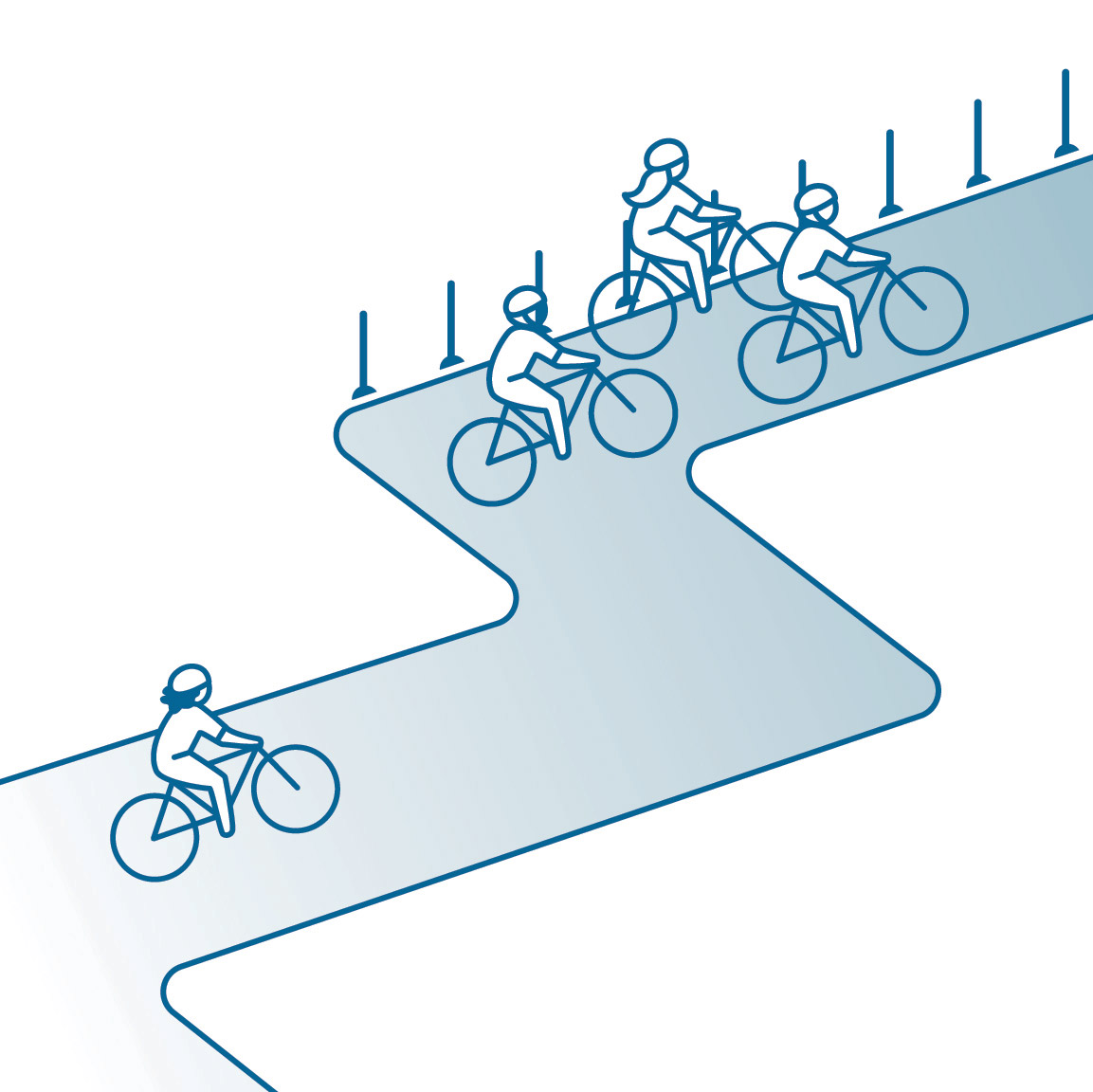
Build for Growth
Biking is the fastest-growing mode of transportation in North American cities, necessitating forward-thinking bike network planning. A robust network should accommodate future cycling demand and give everyone the chance to get where they’re going by bike–even if they don’t make those trips by bike today.
Equitable bike network development is crucial, extending beyond areas with high bike volumes. Low bicyclist counts often reflect a lack of safe and connected bike infrastructure, particularly in communities that have been historically marginalized. In areas with high existing bike volumes, cities should anticipate further growth as the network expands. Go beyond minimum recommendations for bikeway width, signal time, and protection materials.

Collaborate on a Shared Vision
A Bike Network Plan establishes a shared vision for bikeable streets, prioritizes streets for change, and sets common design principles. From the outset, community members should join city officials and staff in decision-making. Local expertise can inform discussions about community travel patterns and past engagements with government agencies. This collaboration ensures a bike network tailored to local needs. The shared vision facilitates project-specific collaboration on details like curb use, alignment, and materials.

Meet Urgent Safety Needs
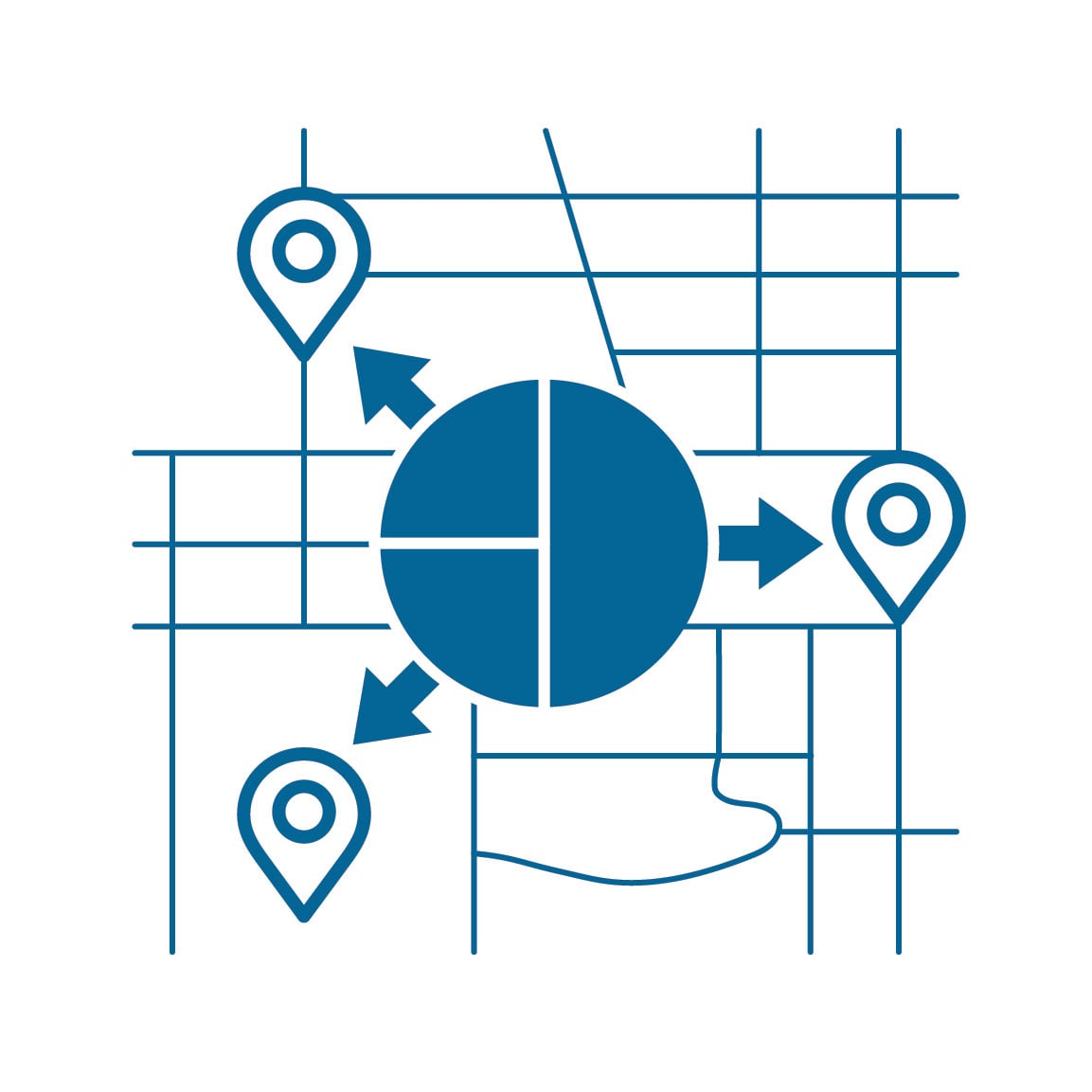
Cities across North America must prioritize safety-oriented redesigns of streets where people riding bikes are at risk. Projects that reduce top speeds, organize roadways, and improve intersection safety should be the norm, not the exception, on major streets. Data-driven analyses should identify high-injury networks and consider socio-demographic data to ensure equity.1
Invest Equitably
Neighborhoods that have endured public disinvestment, highway construction, and redlining require comprehensive infrastructure improvements beyond bikeways. Car-centric streets often lack basic infrastructure for pedestrians and transit riders, despite being hubs for retail, services, and affordable housing. Bikeway projects should be part of a broader investment strategy that includes sidewalks and curb ramps, green stormwater infrastructure, and community outreach and conversations. Do not shy away from spending resources to close physical, economic, and social gaps created by historic disinvestments.
Elevate Walking and Transit as
Complementary Transportation Options
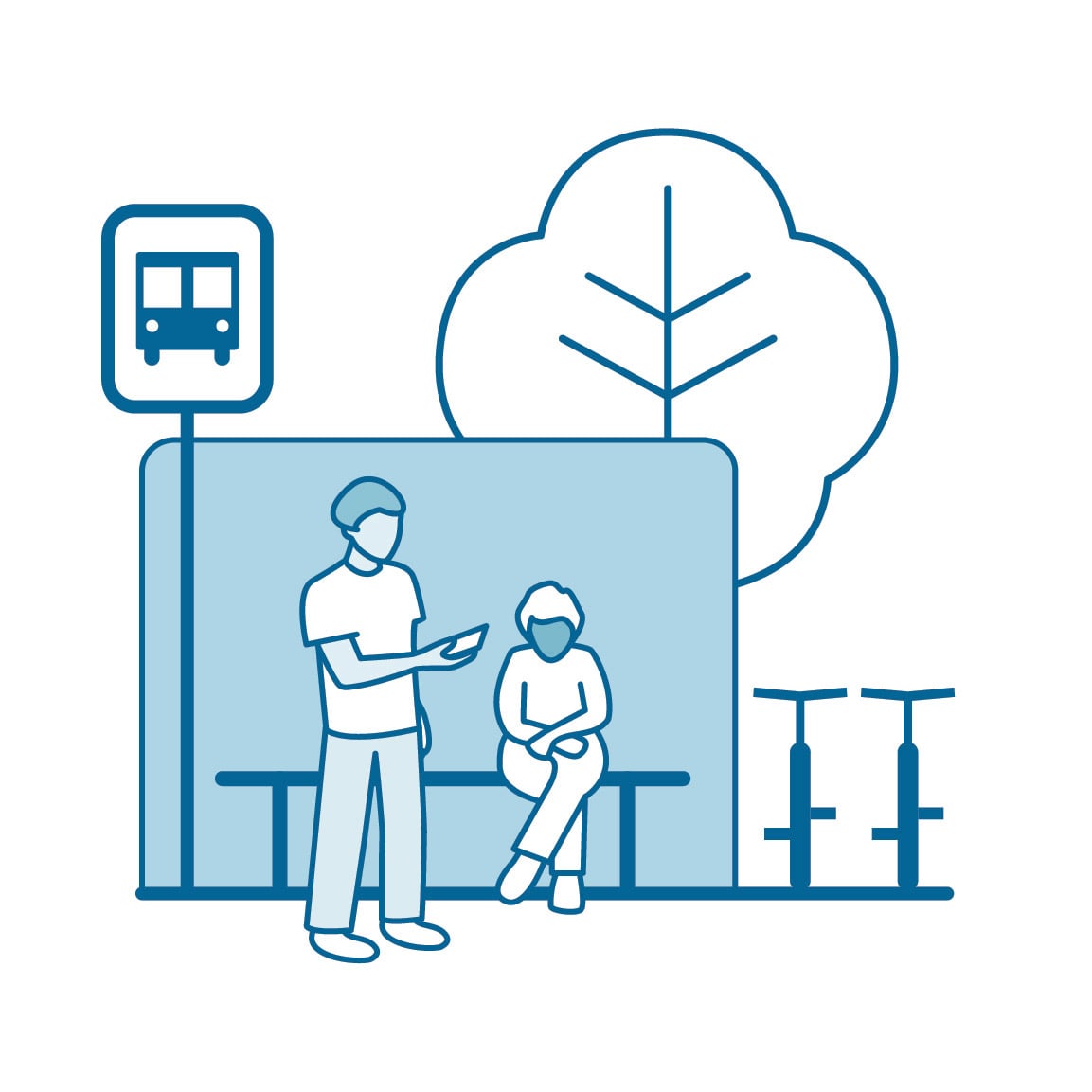
When developing a bike network, cities must embrace the types of modal choices their residents are already making–as well as the choices they could make with an improved network. People should be able to walk or use public transportation in tandem with or instead of biking, depending on the neighborhood and the trip.

Ensure Success
A connected, equitable bike network will take time to implement, but it should not take a generation. Cities should have a meaningful bike network within a decade, with more bikeways built each year. Cities should start funding design and construction contracts, planning for cross-agency collaboration, and developing supportive programs now.
- Schneider, R. J., R. Sanders, F. Proulx, and H. Moayyed. “United States fatal pedestrian crash hot spot locations and characteristics.” Journal of Transport and Land Use 14, no. 1 (2021): 1–23. https://jtlu.org/index.php/jtlu/article/view/1825. ↩︎