A bikeable city is one with plentiful, secure, and convenient places to park bikes and scooters. People need to be confident they will have a place to securely put their bike or scooter at the end of a trip–whether at home, their neighborhood library or grocery store, or at their job.
Bike and scooter parking includes short-term and long-term parking, as well as shared micromobility stations and racks. Providing this spectrum of options will reduce barriers to biking for transportation and recreation.

Accommodate All Common Devices
Well-designed bike parking caters to the full spectrum of sizes, shapes, and attachments common to bikes and scooters, including: scooters, two-wheel bikes with baskets and panniers, and larger bikes, including long-tail bikes and cargo bikes.
Typical bikes occupy a space approximately 2 ft (0.6 m) wide and 6 ft (1.8 m) long.
Cargo bikes and bikes with trailers are wider and longer, occupying a space approximately 3 ft (0.9 m) wide and 10 ft (3 m) long.
Cities should focus on installing racks proven to work for a wide variety of devices, such as “inverted U” racks (also called staple racks or loop racks) and post-and-ring racks. All other types of racks are discouraged. For indoor parking, two-tier parking with lift assist can be used in combination with on-ground parking using inverted-U racks or post-and-ring racks to increase the amount of available parking.

Short Term Parking
Short-term parking is necessary for people who are doing errands, visiting friends and family, or commuting to work during the day. People using short-term parking value close proximity to their destination and ease of use. Racks should be located in convenient and visible locations, close to the entrance of buildings. Short-term parking includes racks installed on sidewalks or as corrals in the street. Private property owners should provide racks on-site near building entrances.
Long-Term Parking
Long-term bike parking is designed for people storing bikes unmonitored for several hours or overnight near their homes or routine destinations, such as a workplace or transit station. People using long-term bike parking place a high value on security and weather protection. Long-term parking includes indoor bike rooms, secure outdoor parking, bike lockers, and large bike garages or stations. Private property owners should provide secure, easy-to-access indoor bike rooms for workers and residents.
Shared Micromobility
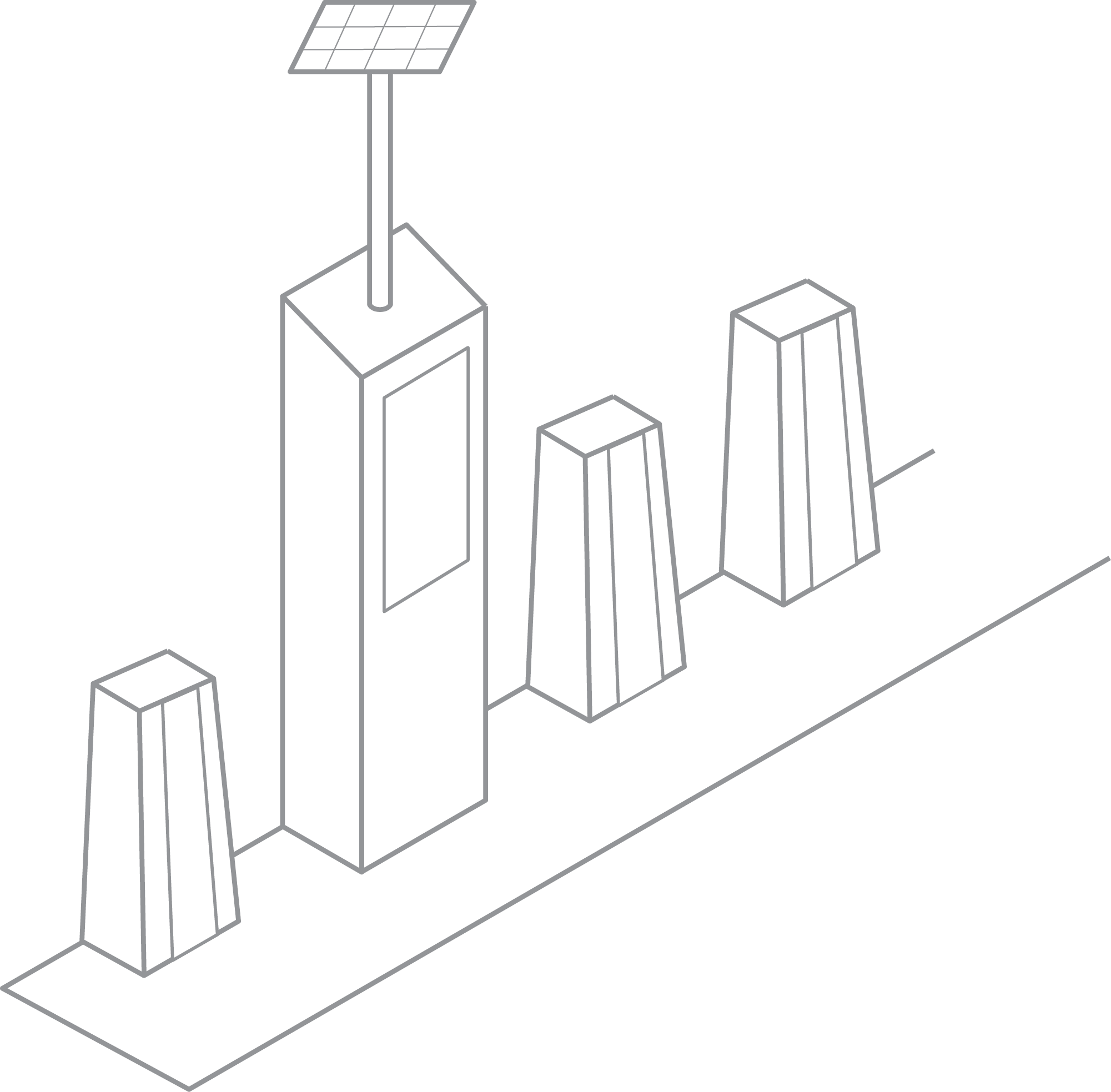
Shared micromobility systems are shared-use fleets of micromobility devices–typically non-electric pedal bikes, pedal-assist electric bikes (e-bikes), and e-scooters–rented for short, point-to-point trips that start and end within the public right-of-way.
Cities with station- or hub-based systems, including virtual hubs, need to proactively allocate space for parking in the public right-of-way and other public places, including parks and schools. Staff should plan for both a density of stations or hubs and for larger stations or hubs. Doing so ensures riders can feel confident that they will reliably find a device or parking space for every trip.
Cities with dockless systems must invest more heavily in their bike and scooter parking programs, installing more racks on sidewalks and repurposing in-street space for scooter and bike parking. While users may not be required to lock to racks, they are more likely to do so if racks are plentiful and easy to find.