Bikeway design must meet the needs of a diverse array of potential bike riders.1 Across North America, however, many existing bike facility designs provide enough comfort for only the boldest people biking and exclude many who might otherwise ride.
An All Ages & Abilities (AA&A) bikeway is one that feels comfortable and provides safety for all current and potential users. AA&A is inclusive of age, ability, type of bike or mobility device, socioeconomic status, race, gender, or any other identity and experience a person may hold. For many people, feeling safe and comfortable goes beyond just physical protection from motor vehicles. High-quality AA&A bikeways can create a sense of safety by helping people feel as though they belong, are safe from potentially dangerous interactions with police officers, and are welcome to use a variety of adaptive bikes and mobility devices.
AA&A bikeways are safe and comfortable for people:
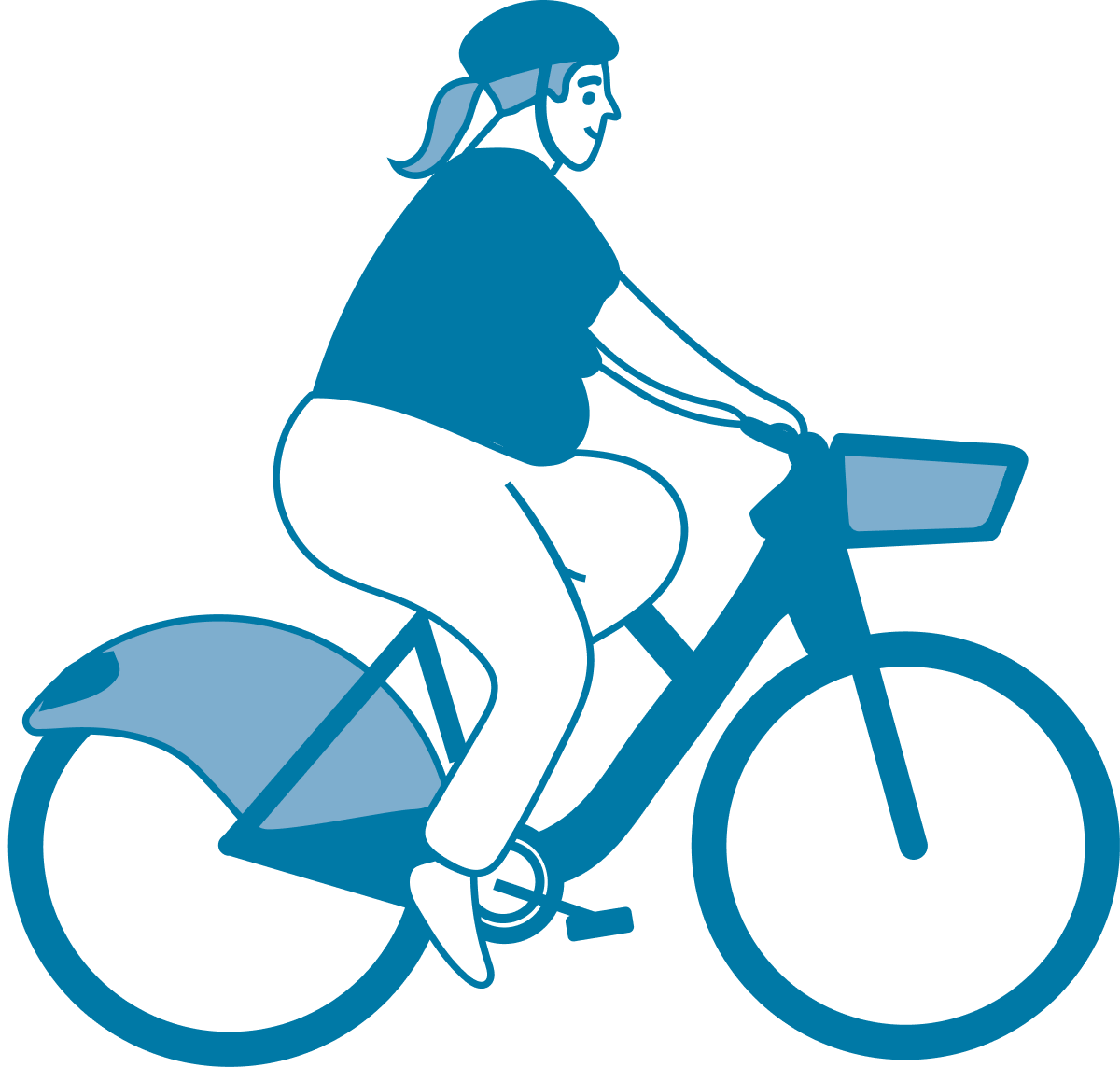
Of all ages, sizes, and physical abilities. On an AA&A bikeway, grandparents and grandkids can ride bikes together. These designs support children and older adults, who sometimes have lower visual acuity and slower riding speeds, and people with disabilities who might use lower-profile or wider three-wheel adaptive bikes. Those with disabilities who are not using bikes or micromobility devices but need to cross or navigate around bikeways are also taken into account.
Of all races and ethnicities. Black and Latine people on bikes are more than four times as likely to be killed in a traffic crash than white people on bikes.2 Additionally, law enforcement officers issue a disproportionate number of traffic tickets to Black and Latine people on bikes for actions such as biking on the sidewalk. High-quality bike infrastructure makes streets safer and reduces police interactions. Research from Chicago found that major streets with bike lanes had half the number of tickets compared to similar streets without bike lanes.3
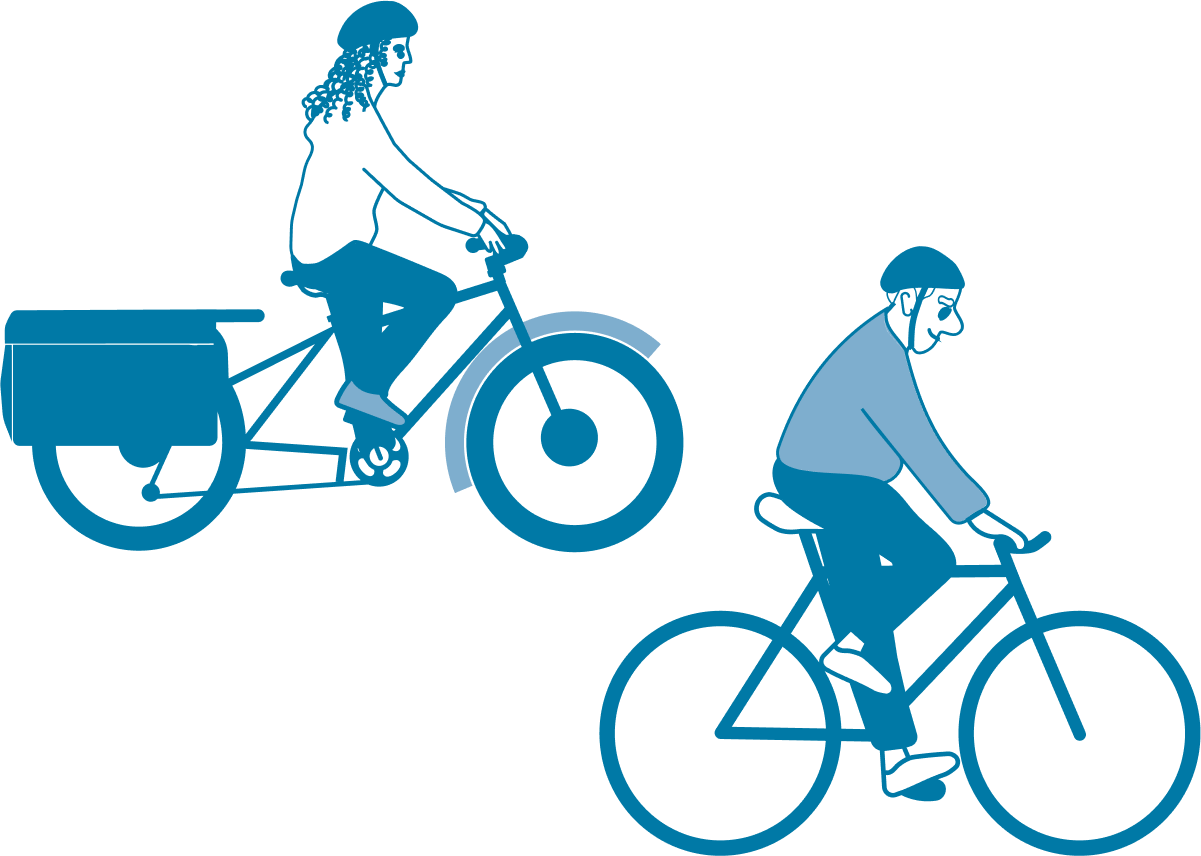
Of all incomes. Low-income bicyclists make up half of all Census-reported commuter bicyclists, relying extensively on bicycles for basic transportation needs such as getting to work. Research shows that unhoused people are given a disproportionate number of bike tickets in some jurisdictions, including for minor issues such as riding helmetless.4 Basic infrastructure is often deficient in low-income neighborhoods, creating real safety issues for those who bike there.
Of all experience levels and despite past experiences. Bikeways need to be welcoming to people who have little experience biking on urban streets and those who have had previous negative experiences while riding a bike or other micromobility device. AA&A bikeways enable people to feel confident biking–and learn to feel comfortable biking on a wider variety of urban streets.
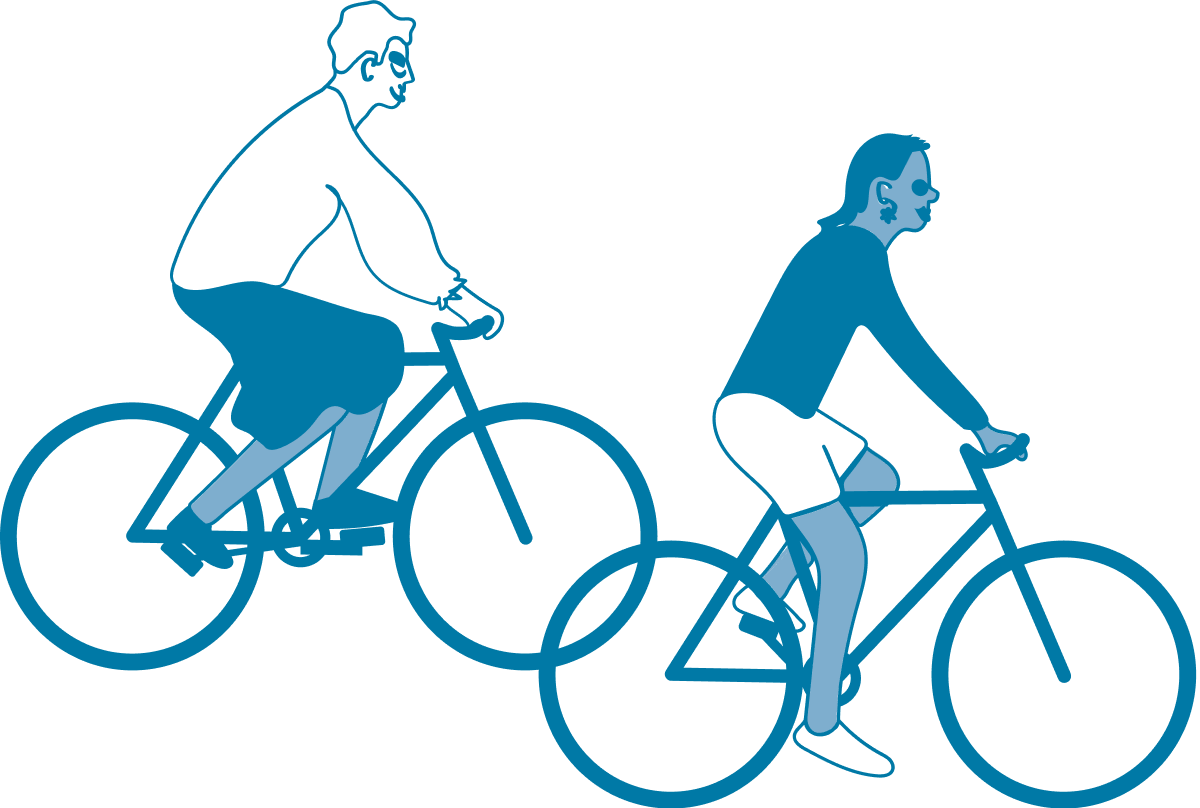
Of all gender identities and sexual orientations. In most North American cities, people who bike are predominantly male. Surveys reveal that women in particular cite safety and lack of bike infrastructure as core reasons why they choose not to bike.5 Women and LBGTQ+ people also report regular harassment while biking.6 High-quality facilities on urban streets create a sense of safety by being well-lit and highly visible to passersby. AA&A bikeways feel safe and welcoming for people of a diversity of gender expressions and experiences.
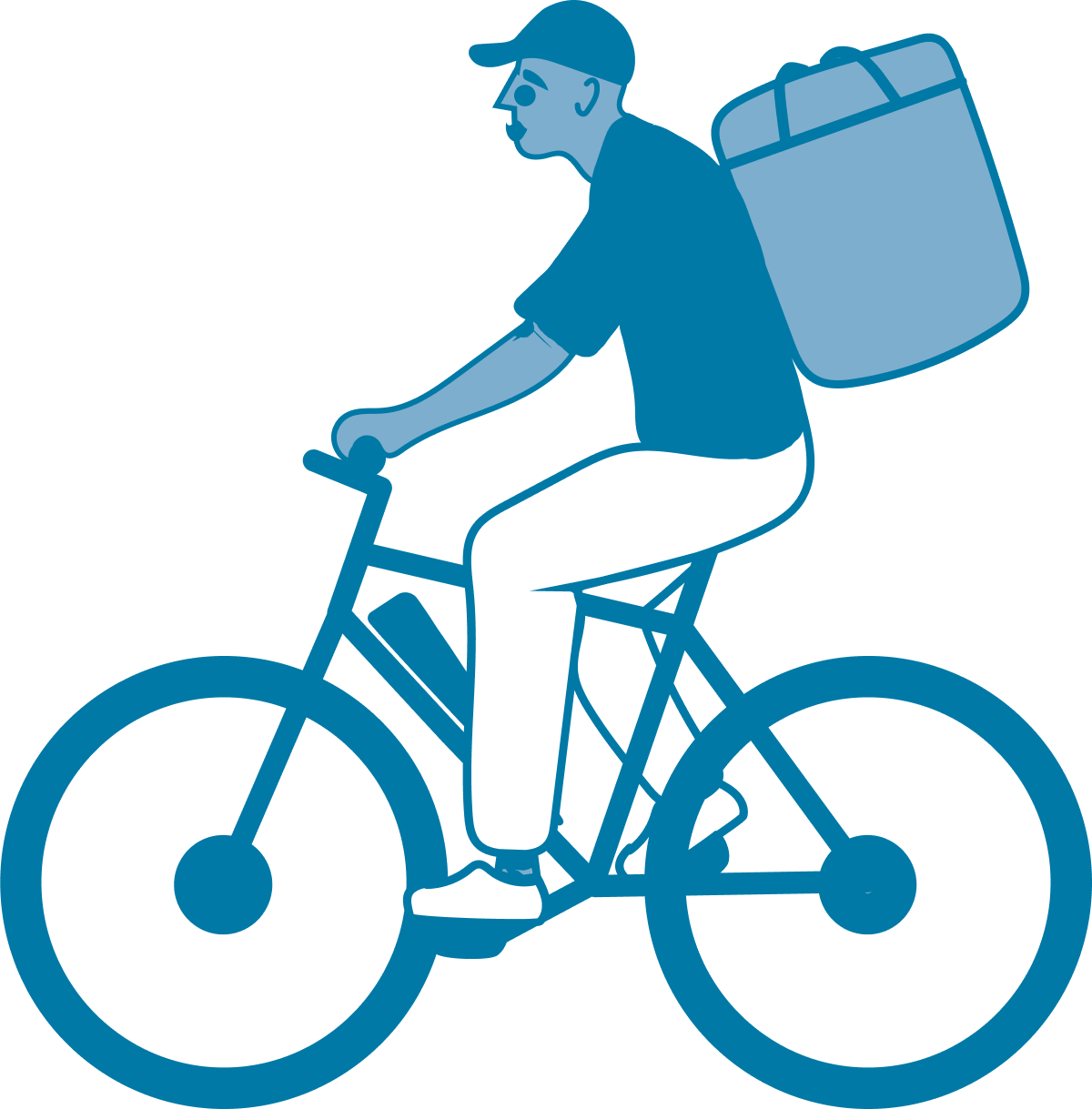
Working in a variety of industries. Often paid per delivery, workers who deliver on bikes need bike lanes that accommodate faster speeds and a wider range of devices, including e-bikes and cargo bikes. AA&A bikeways are suitably wide and feature intersection designs that enable these workers to get around at pace. People who work using bikes also benefit from infrastructure that limits interactions with police, as every interaction risks time and money lost from a day’s work.
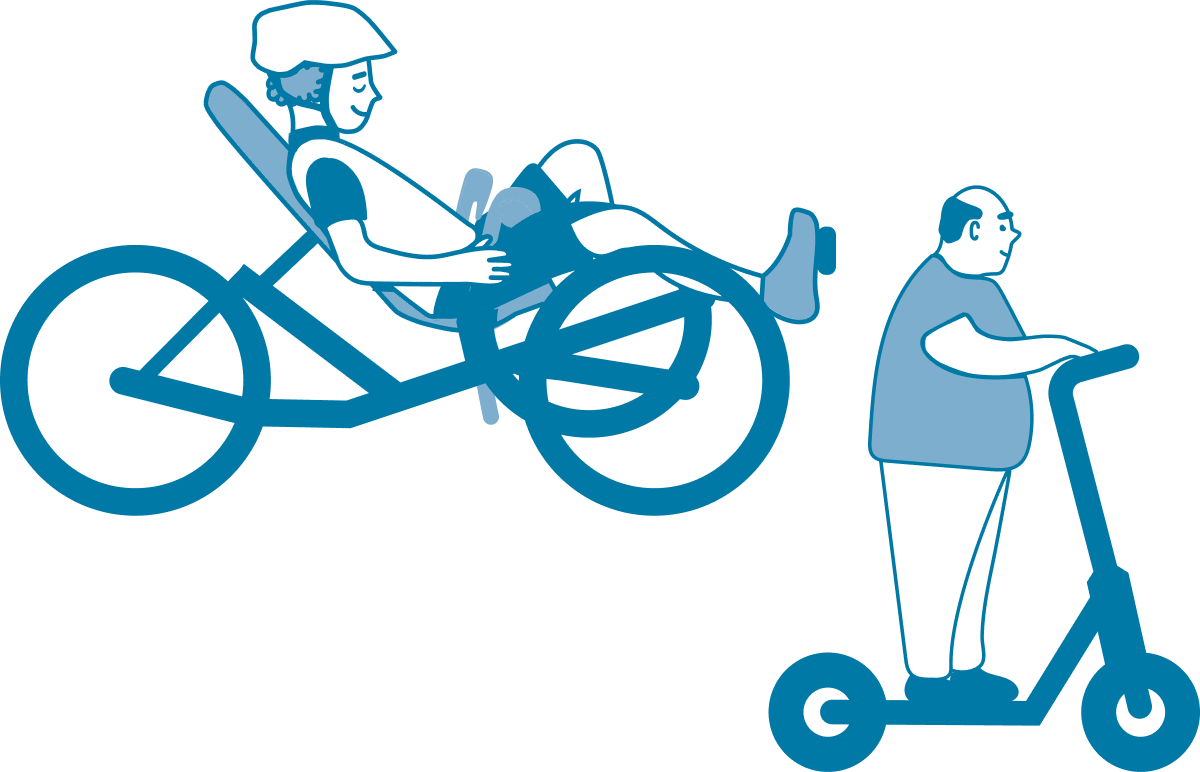
Using all types of bikes and micromobility devices. AA&A bikeways are designed for people moving goods or cargo, whose bikes are often wider and longer; caregivers with children on their bikes, who are extra concerned with safety and may require frequent stops; people riding electric scooters or electric bikes, who move faster than many other people on bikes; and people riding adaptive bikes and adult tricycles, whose bikes are larger and slower than other bike facility users.
- In 2017, NACTO developed Designing for All Ages & Abilities, an addendum to the Urban Bikeway Design Guide that provides contextual guidance for high-comfort bike facilities. The Designing Safe Intersections section of the third edition of the Urban Bikeway Design Guide revisits this guidance and provides updates based on the evolving biking landscape in North America. It offers transportation practitioners a tool to determine when, where, and how to best combine traffic calming tools, such as speed reduction and volume management, with roadway design changes, such as full lane separation, to reduce traffic fatalities and increase the rates and comfort of people on bikes. ↩︎
- Raifman MPP, Matthew A., and Ernani F. Choma PhD. “Disparities in Activity and Traffic Fatalities by Race/Ethnicity.” American Journal of Preventive Medicine 63, no. 2 (June 2022): 160-167. https://www.ajpmonline.org/article/S0749-3797(22)00155-6/fulltext. ↩︎
- Barajas, Jesus M. “Biking where Black: Connecting transportation planning and infrastructure to disproportionate policing.” Transportation Research Part D: Transport and Environment 99 (October 2021). https://www.sciencedirect.com/science/article/pii/S1361920921003254#ab010. ↩︎
- Kroman, David. “Nearly half of Seattle’s helmet citations go to homeless people.” Crosscut, December 16, 2020. https://crosscut.com/news/2020/12/nearly-half-seattles-helmet-citations-go-homeless-people. ↩︎
- Jaffe, Eric. “An Explanation for the Gender Gap in Biking.” Bloomberg City Lab, February 19, 2013. https://www.bloomberg.com/news/articles/2013-02-19/an-explanation-for-the-gender-gap-in-biking. ↩︎
- McEwen, Lauren, and Michael Livingston II. “D.C. groups help female cyclists, others learn how to handle street harassment.” The Washington Post, November 29, 2013. https://www.washingtonpost.com/local/trafficandcommuting/dc-groups-help-female-cyclists-others-learn-how-to-handle-street-harassment/2013/11/29/677e8bdc-4faf-11e3-9fe0-fd2ca728e67c_story.html ↩︎