
In an urban context, street design must meet the needs of people walking, driving, cycling, and taking transit, all in a constrained space. The best street design also adds to the value of businesses, offices, and schools located along the roadway.

Streets Are Public Spaces
Streets are often the most vital yet underutilized public spaces in cities. In addition to providing space for travel, streets play a big role in the public life of cities and communities and should be designed as public spaces as well as channels for movement.

Great Streets are Great for Businesses
Cities have realized that streets are an economic asset as much as a functional element. Well-designed streets generate higher revenues for businesses and higher values for homeowners.1
Streets Can Be Changed
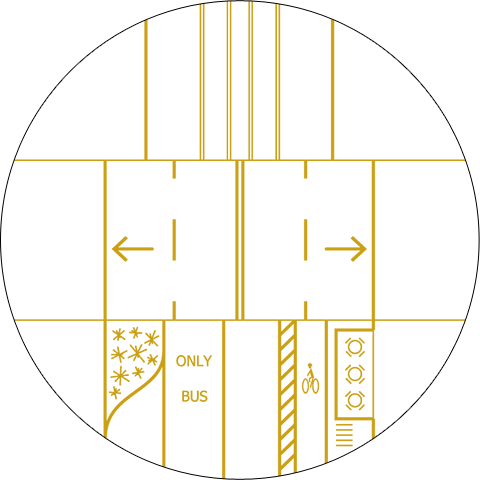
Transportation engineers can work flexibly within the building envelope of a street. This includes moving curbs, changing alignments, daylighting corners, and redirecting traffic where necessary. Many city streets were built or altered in a different era and need to be reconfigured to meet new needs. Street space can also be reused for different purposes, such as parklets, bike share, and traffic calming.
Design for Safety
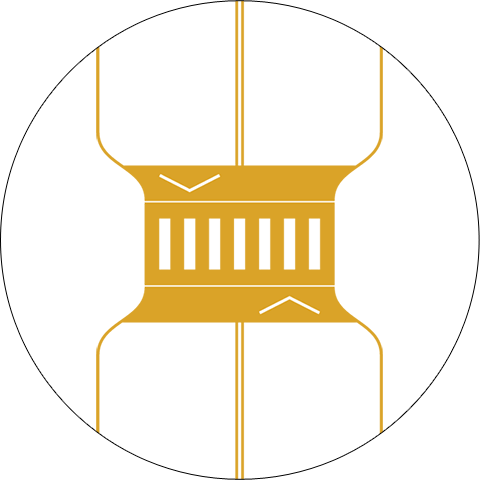
In 2012 in the U.S., over 34,000 people were killed in traffic crashes, which were also the leading cause of death among children aged 5–14. These deaths and hundreds of thousands of injuries are avoidable. Traffic engineers can and should do better, by designing streets where people walking, parking, shopping, bicycling, working, and driving can cross paths safely.
Streets Are Ecosystems
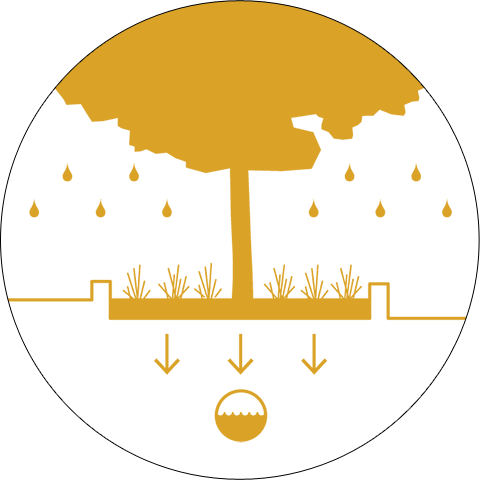
Streets should be designed as ecosystems where man-made systems interface with natural systems. From pervious pavements and bioswales that manage storm- water run-off to street trees that provide shade and are critical to the health of cities, ecology has the potential to act as a driver for long- term, sustainable design.

Act Now!
Implementing projects quickly and using low-cost materials helps inform public decision making. Cities across the U.S. have begun using a phased approach to major redesigns, where interim materials are used in the short term and later replaced by permanent materials once funding is available and the public has tested the design thoroughly.
- Richard Campbell and Margaret Wittgens, “The Business Case for Active Transportation: The Economic Benefits of Walking and Cycling,” (Gloucester, ON: Go For Green, 2004).
Kelly Clifton, Christopher Muhs, Sara Morrissey, Tomás Morrissey, Kristina Currans, and Chloe Ritter, “Consumer Behavior and Travel Mode Choices,” (Portland: Oregon Transportation Research and Education Consortium, 2012). ↩︎