City of Austin
Across the U.S. and Canada, cities and transit agencies are demonstrating that investing in bus travel can transform mobility for residents, workers, and visitors.
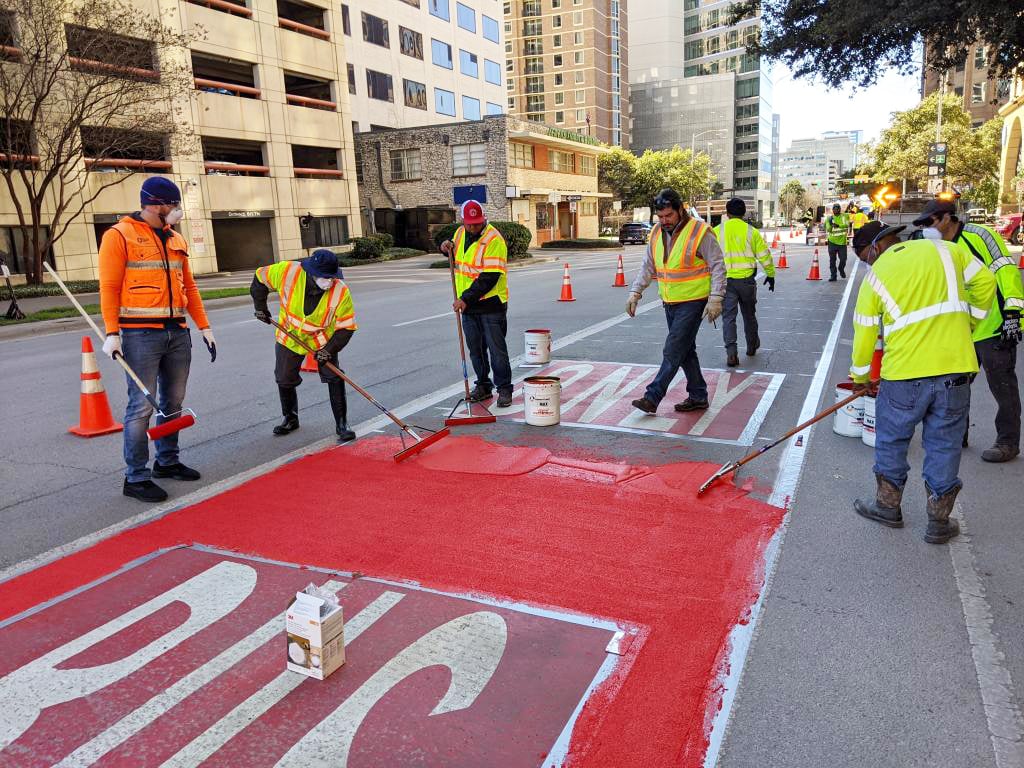
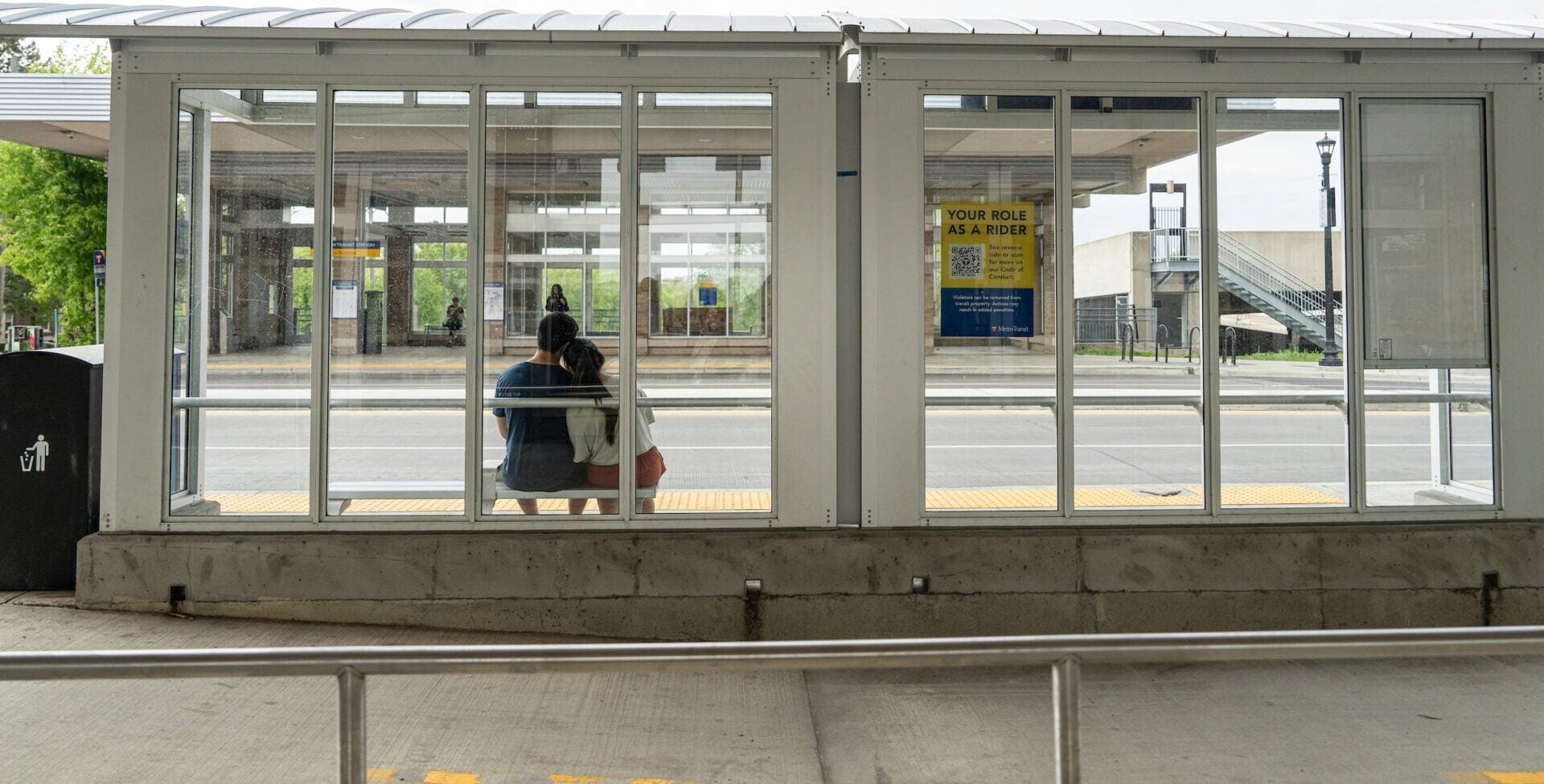
Street-level upgrades like transit lanes, queue jumps, stop improvements, transit signal priority, and right-sizing bus stop spacing are making buses faster, more reliable, and more enjoyable to ride.
While these treatments are increasingly common, the real challenge and opportunity is consistently delivering improvements network-wide. This more comprehensive approach requires institutional support.
Designing Cities 2026
More than a quarter of surveyed agencies operate mature transit priority programs, with the dedicated staff and funding streams to consistently deliver meaningful improvements to bus speed and reliability.
Meanwhile, agencies with emerging programs are building the foundation to reach the same level of impact. While competitive grants may help these agencies kick-start their work or deliver individual projects, long-term success will hinge on investing in specialized teams, developing long-term strategies, and securing the ongoing capital and operating funds that can help them deliver real change.
Buses are the backbone of our transit networks—and improving bus service is one of the most effective ways to improve transportation in our cities.
Paint, stop improvements, signal changes, and bus stop optimization can transform transit quickly, making trips faster and more reliable for a relatively low cost. And when buses are easy and reliable, riders follow. Capitalizing on this promise requires a lasting commitment: giving transit teams staffing, funding, and institutional support.