New practitioners’ paper aims to help cities as they face escalating challenges from the deployment of robotaxi services
Robotaxis are here, and cities are the current and future testing and deployment grounds of this new technology. Company narratives promote robotaxis as a “miraculous remedy” to the traffic-safety crisis on U.S. streets and a transformative mobility option for people with disabilities.
While cities remain cautiously optimistic about these promises in the long term, current robotaxi operations are already taxing cities’ transportation networks and have yet to come close to meeting these lofty promises.
Already, NACTO member cities have documented robotaxis:
- Driving onto streets closed to vehicles—including active construction zones—then stalling.
- Failing to stop for school buses letting children off near their homes.
- Stalling en masse in the middle of intersections across a city when traffic lights went out.
- Driving over fire hoses being used by fire departments during active fires.
- Navigating into flooded roads with passengers onboard.
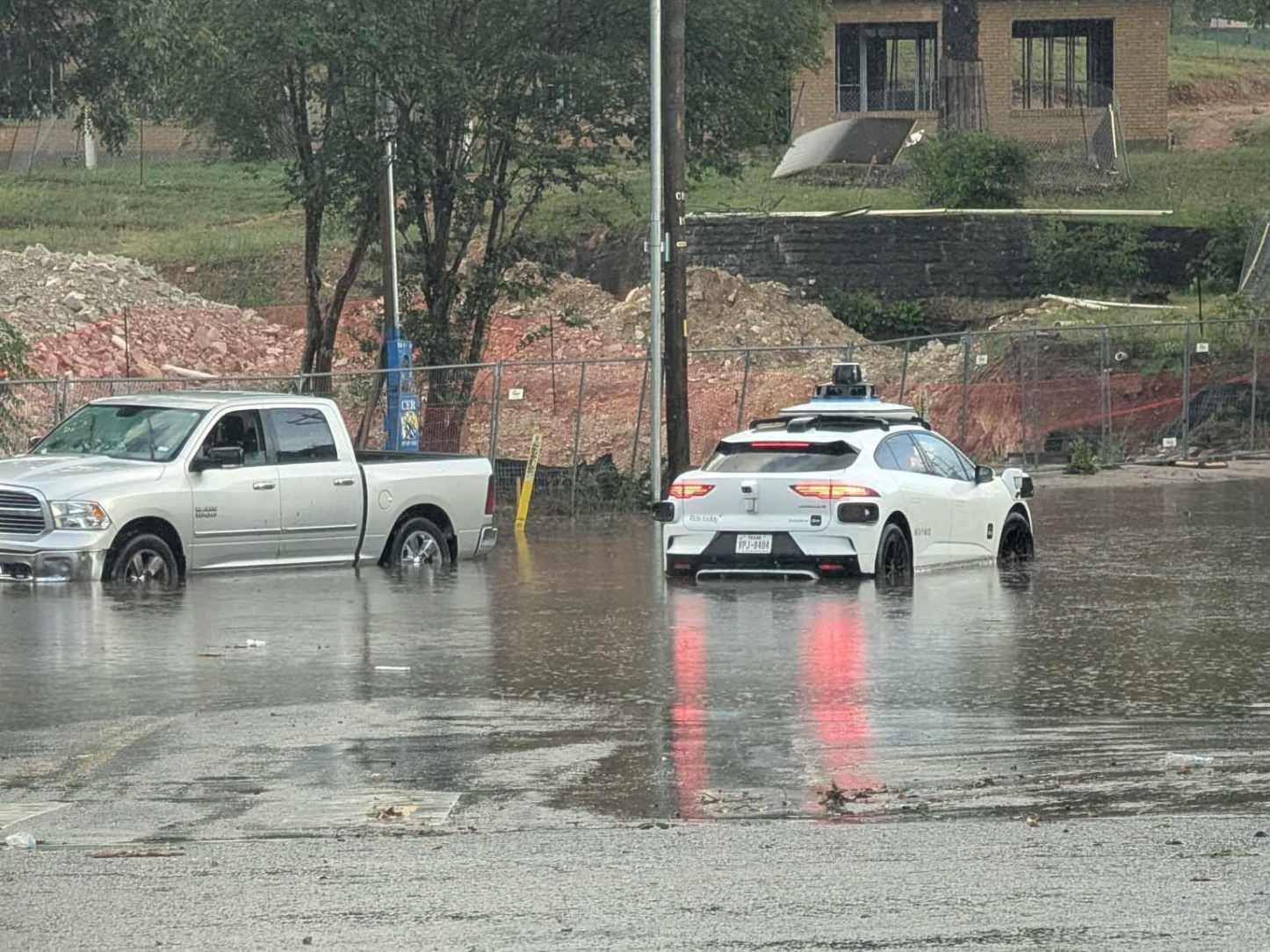
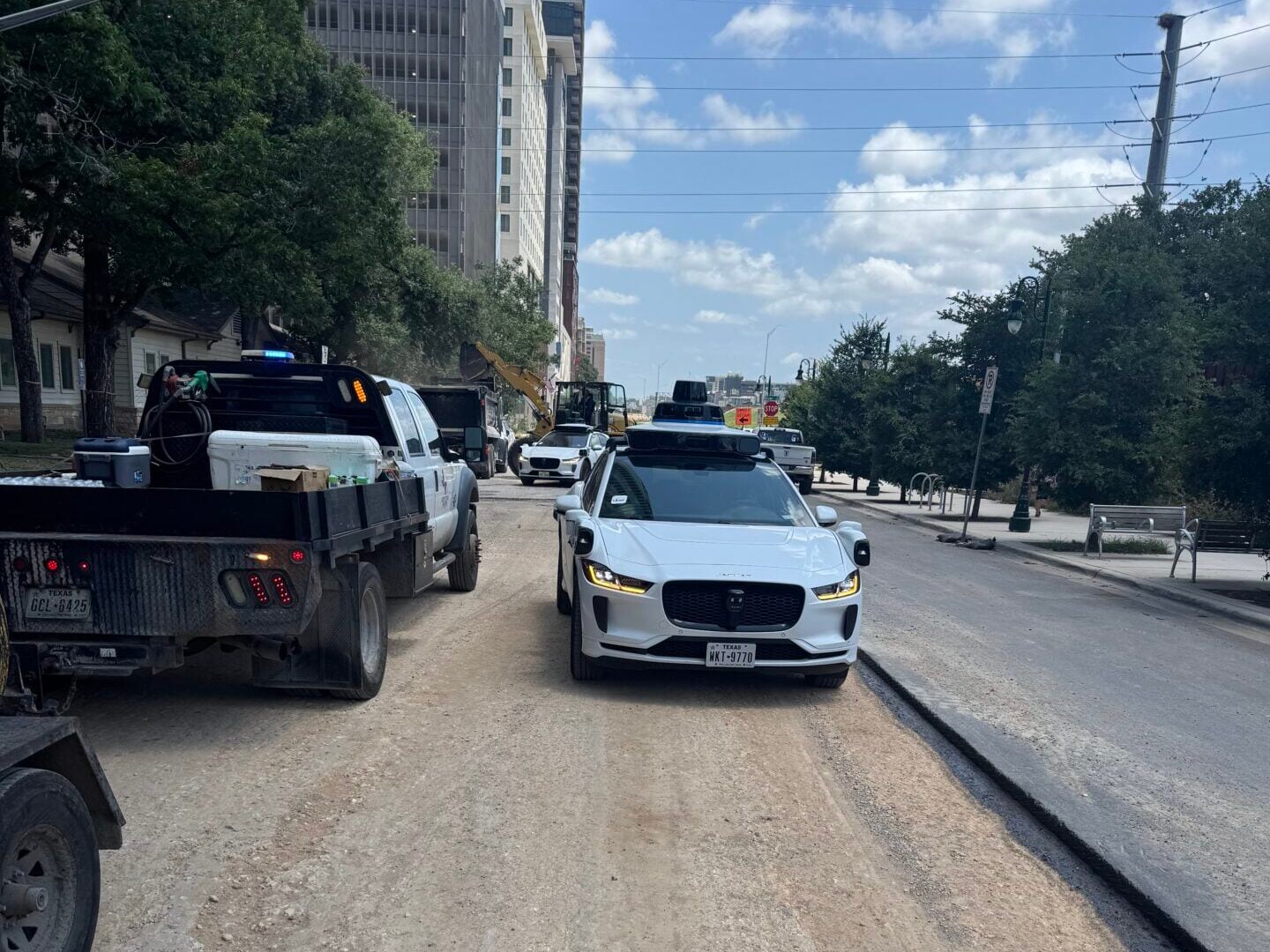
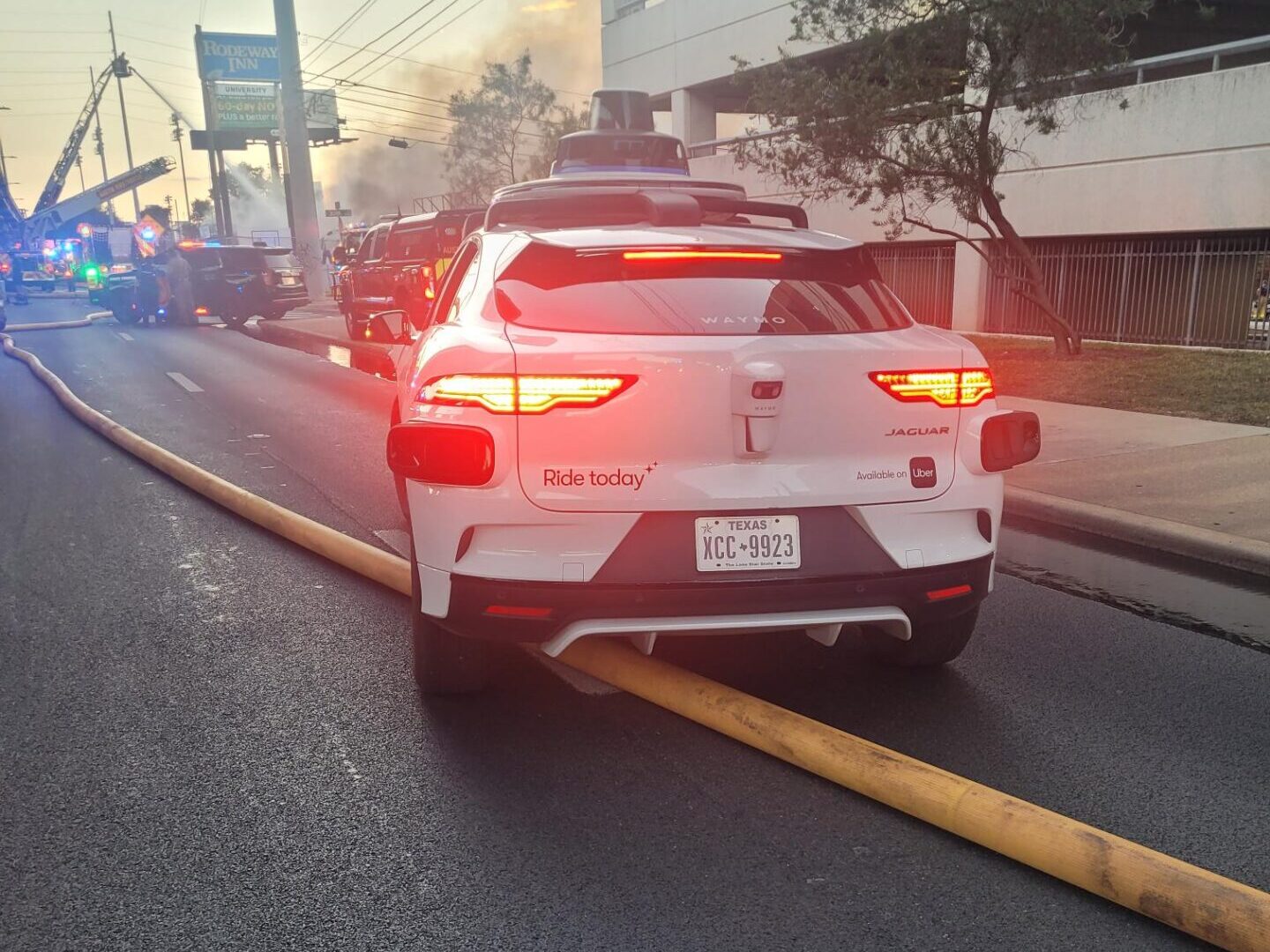
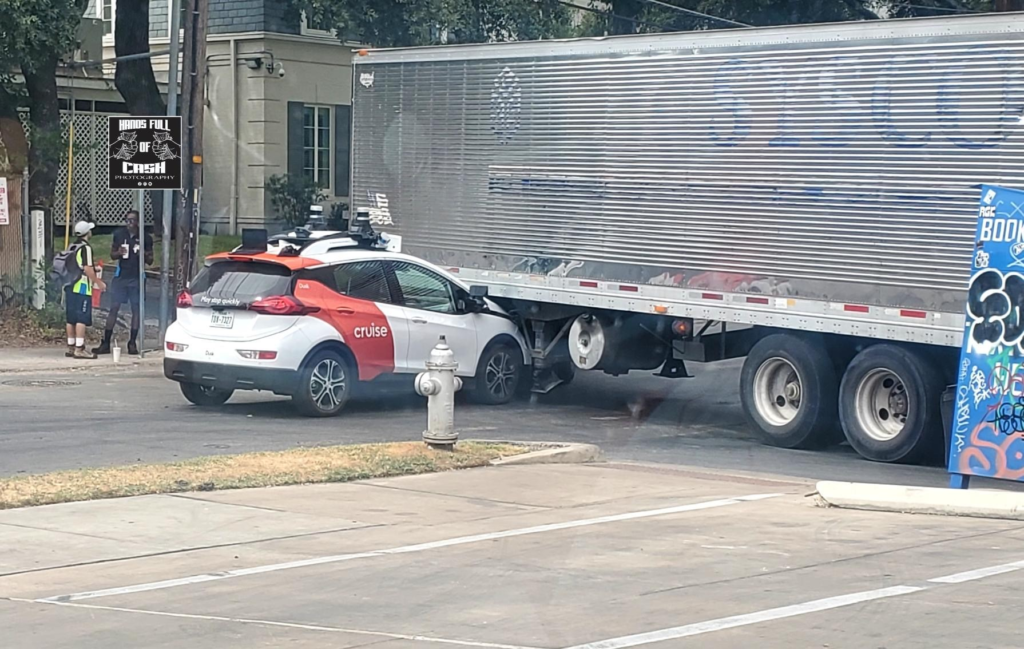
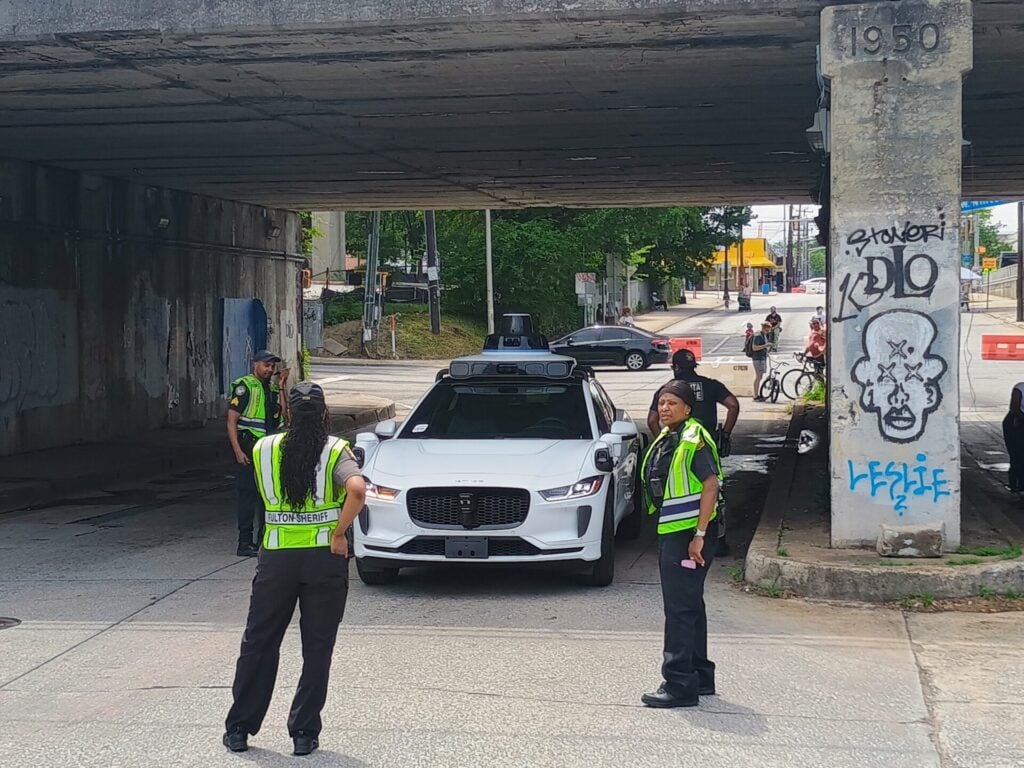

Photos 1 to 4: Austin, TX (via City of Austin); 5: Atlanta, GA (via Byron Rushing), 6: San Francisco, CA (via @chii-rinna)
Under current regulatory frameworks, city officials have few—if any—tools to align these companies’ operations with city goals. Consequently, a city’s Safe Routes to School coordinator doesn’t have oversight of a vehicle failing to stop for a school bus. A firefighter has no effective way to influence state regulations that could give public safety personnel control of a stopped robotaxi blocking an emergency scene. And a city’s signal engineer cannot clear intersections at the times they need to the most—like when a power outage occurs and traffic signals flash.
A permissive federal regulatory environment and continued technological development mean robotaxi services are launching in cities rapidly, sometimes with little notice. As cities have learned from previous arrivals of new technologies, such as ride-hail companies and free-floating bikes and scooters, it is necessary to properly manage these new services through regulation, partnerships, and open communication with service providers, government staff, and stakeholders.
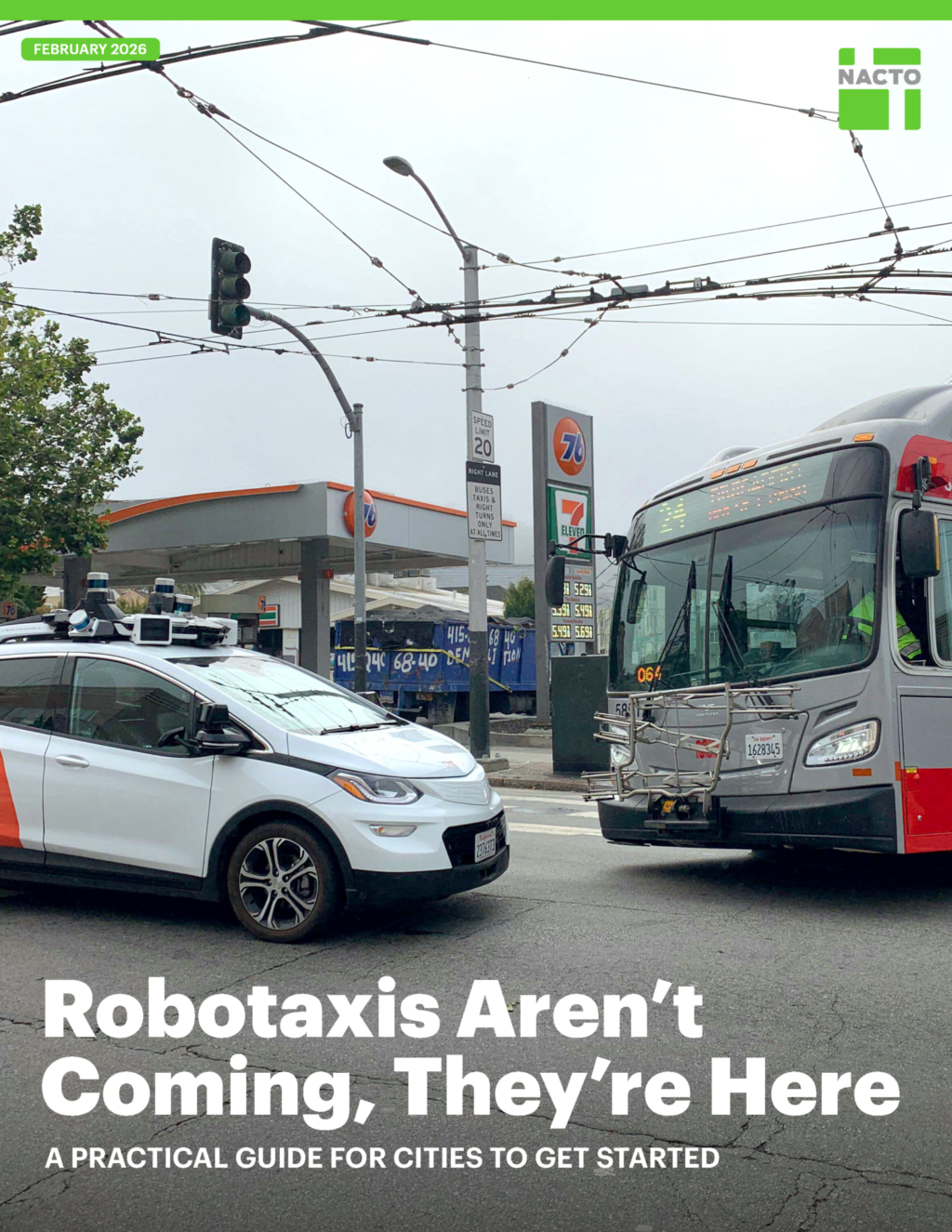
To meet this pressing need, NACTO’s new resource —Robotaxis Aren’t Coming, They’re Here: A Practical Guide for Cities to Get Started— focuses on preparing cities now for the arrival of for-hire, robotaxi passenger services and outlines the most efficient strategies for getting started.