Over 12 years, the Better Bike Share Partnership helped transform shared mobility through equity-centered policy, partnerships, and community investment.
After more than a decade of work, the Better Bike Share Partnership (BBSP) is coming to a close. Over 12 years, BBSP reshaped the shared micromobility field by increasing equitable access, strengthening community partnerships, and creating lasting systems change. Together with its partners and grantees, BBSP built the foundation for equity in shared micromobility. This work would not have been possible without the sustained partnership and support of the Freedom Together Foundation, whose investment helped communities across the country test new ideas, expand access, and strengthen shared mobility systems.
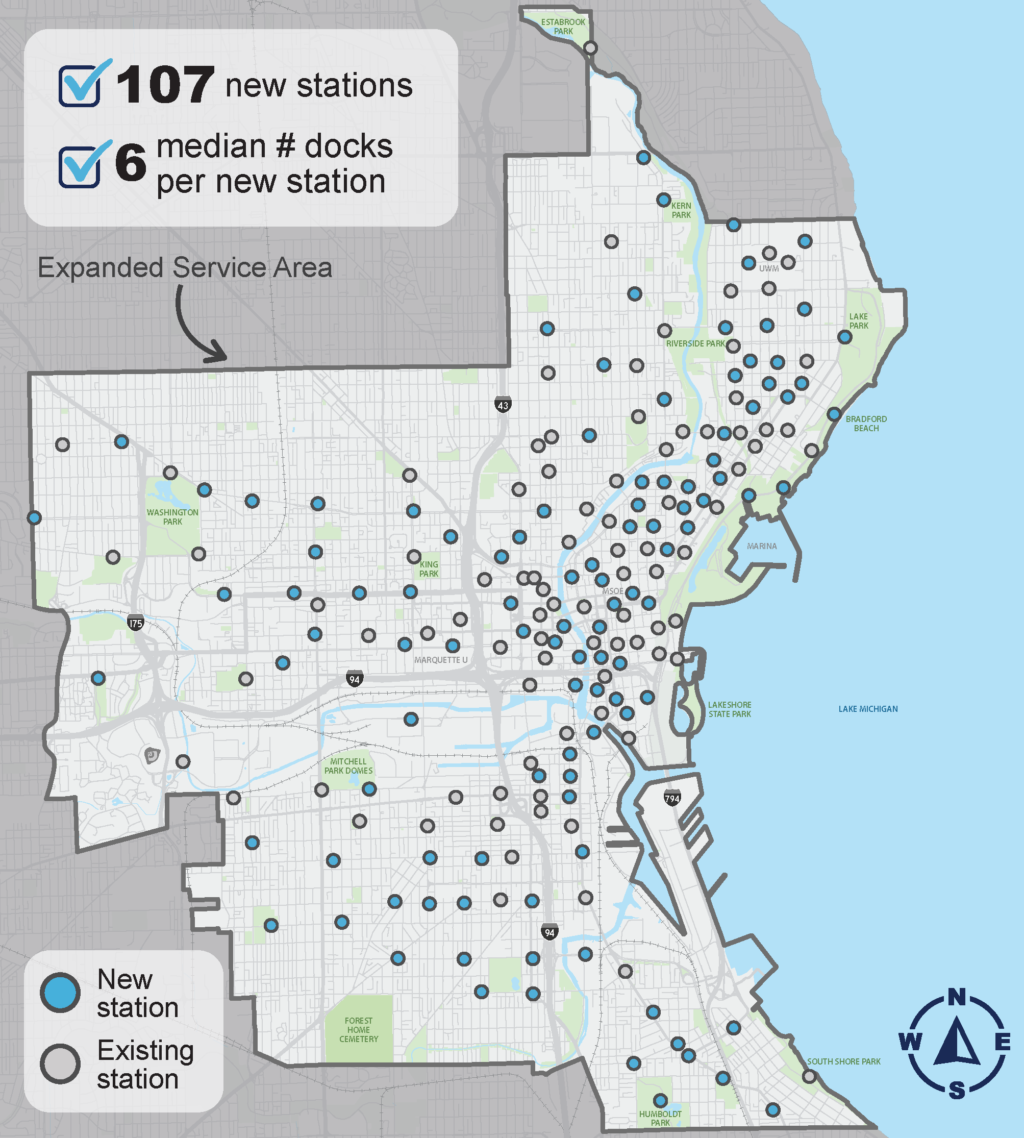
Through 125 grants across 49 U.S. cities, BBSP helped communities pilot ideas, launch programs, and demonstrate how shared mobility systems can better serve more people.
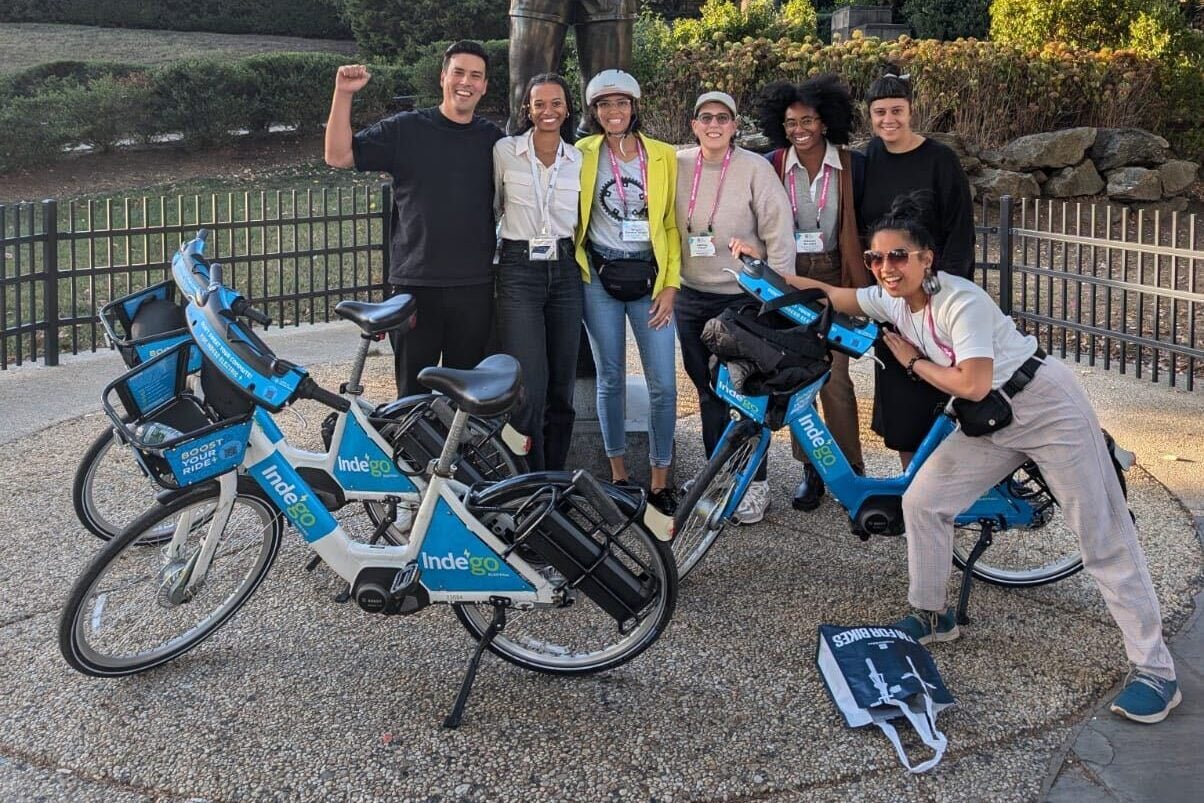
The true legacy of BBSP is not just in its programs, but in the network of leaders and practitioners it strengthened across the country. BBSP created a collaborative community where cities, nonprofits, operators, and advocates could share ideas, learn from one another, and improve how shared mobility systems serve their communities. BBSP also developed and supported a new generation of transportation leaders from a wide range of backgrounds and experiences through initiatives like the Transportation Justice Fellowship, which built community and skills among 43 early- and mid-career people of color working to embed mobility justice in transportation systems.
When BBSP launched in 2014, equitable access was not yet a central focus of many shared mobility systems. Today, it is a defining feature of the industry. Discount programs, non-smartphone access, and more equitable program design are now standard practice across most systems. Through targeted investments like mini-grants, thousands of new riders from underserved and socially vulnerable communities have been welcomed into shared mobility — demonstrating that when barriers are removed, participation grows.
Over the past decade, BBSP supported a period of significant growth and transformation across the shared mobility field in North America:
- Annual shared micromobility trips grew from 157 million in 2019 to more than 225 million trips in 2024.
- Systems evolved from dock-based bike share systems to include dockless e-bikes, scooters, and charging infrastructure.
- Reductions to barriers to bicycling for underserved communities and increased visibility into what cycling is and who rides.
- Shared micromobility expanded from pilot programs concentrated in downtown cores to broader transportation networks serving underserved and lower-income communities.
- Equity and accessibility became increasingly central to system design and operations.
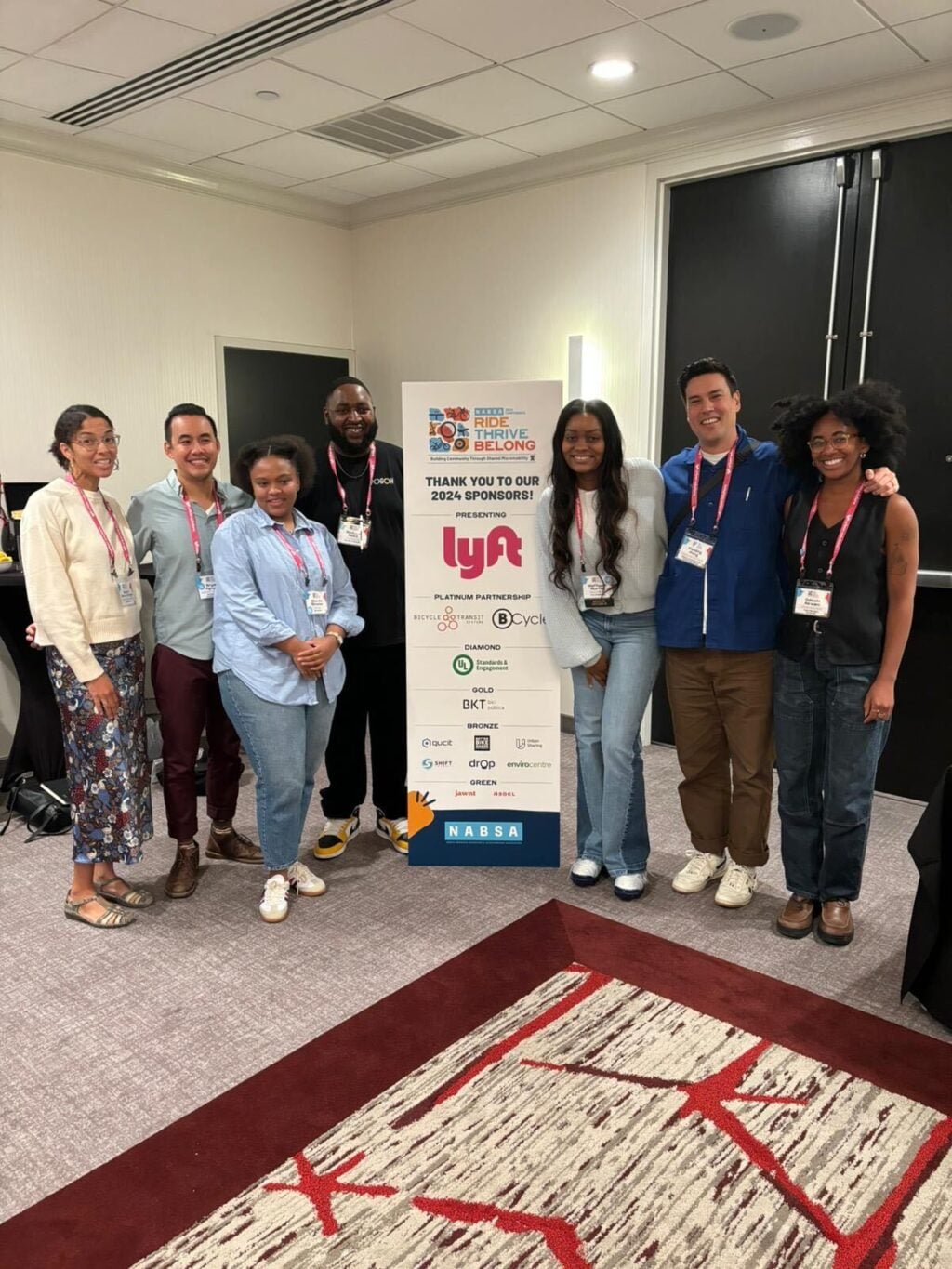
- System owners, operators, and cities became more connected through the launch of the North American Bikeshare and Scootershare Association (NABSA).
Over time, the work of BBSP evolved from individual pilots to shaping long-term policy and systems change. BBSP moved the shared mobility field beyond a “build it and they will come” mindset toward more intentional, community-informed system design. Initiatives like the Living Lab program embodied this shift, supporting deeper, longer-term partnerships that allowed organizations to adapt, innovate, and lead. By investing in long-term relationships and creating space for honest dialogue, BBSP gave organizations the stability to test ideas, share lessons, and pursue lasting change.
After 12 years of impact, BBSP is concluding with a stronger field, stronger partnerships, and a stronger foundation for the future. The capacity, knowledge, and leadership cultivated through this work will continue to shape the field for years to come. Organizations across the country are now better equipped with the data, tools, and confidence to advance equitable shared mobility.
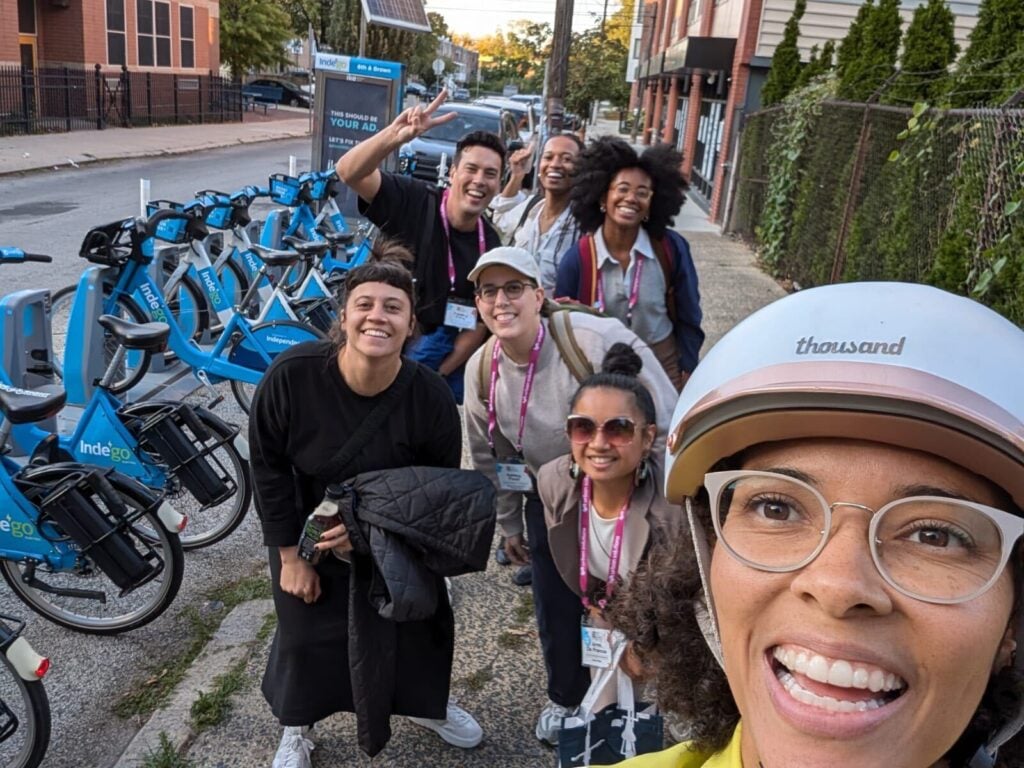
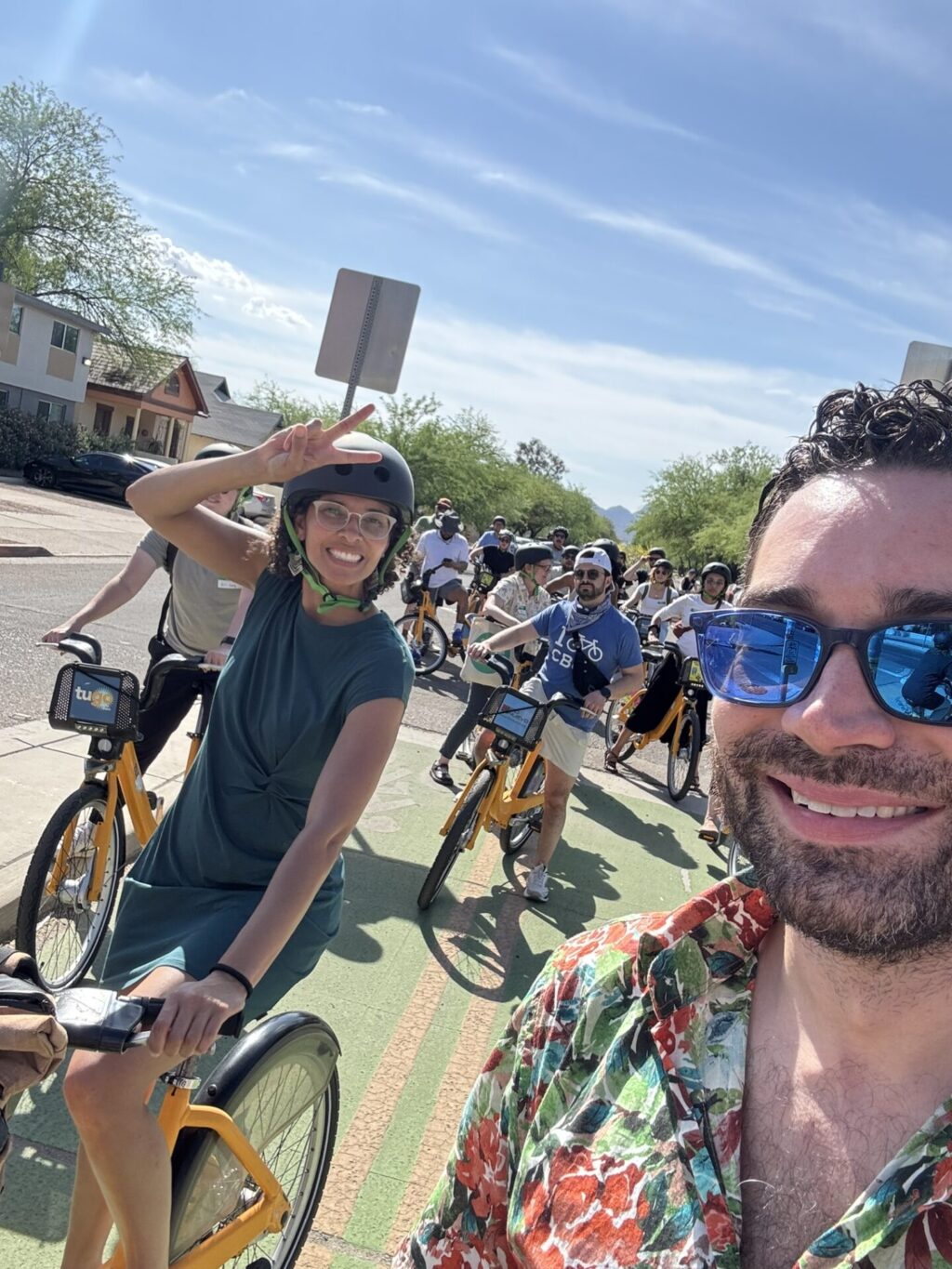
The impact of BBSP will continue through the leaders, organizations, and communities carrying this work forward. As national leaders in shared mobility and transportation, PeopleForBikes, NACTO, and NABSA remain committed to collaborating and pursuing new opportunities to support innovation, expand access, and strengthen transportation networks in communities across the country.
“One of the most important things BBSP demonstrated is that when communities have the tools, partnerships, and support to make bike networks work for more people, participation grows,” said Jenn Dice, president and CEO of PeopleForBikes. “Over the last 12 years, this partnership scaled ideas that were once experimental into everyday practice across the U.S., proving that community-driven innovation can create lasting impact. That progress will continue to shape the future of transportation and recreation as communities grow and evolve.”
“Cities and transportation practitioners across North America have been challenged, supported, and encouraged by the Better Bike Share Partnership,” shared Ryan Russo, executive director of NACTO. “By developing best practice publications, enabling peer-to-peer knowledge sharing, and catalyzing leadership among people of color, BBSP’s work will continue to impact our field and result in more just transportation systems in cities coast to coast.”
“The Better Bike Share Partnership has played an integral role in moving the shared micromobility industry forward,” said Sam Herr, executive director of the North American Bikeshare and Scootershare Association (NABSA). “By supporting innovation in the field toward equitable access to micromobility options, BBSP has ensured that equity is a core piece of shared micromobility planning and operations in programs across North America.”
“BBSP has played a critical role in the fundamental transformation of shared micromobility by helping cities address systemic and institutional barriers to access for low-income and BIPOC communities. Through funding, research, and technical assistance, BBSP has supported cities in testing new ideas, developing strategies, and learning from one another,” said Waffiyyah Murray, Indego program manager at the City of Philadelphia. “As a result, the shared micromobility industry has evolved to a place where equity is at the center of system design and operations, not as an afterthought, but as a core principle. That shift is in large part due to BBSP’s leadership and sustained investment in this work.”
“In 2014, BBSP partners came together to create a one-of-a-kind collaborative focused on creating equitable access to bike share systems. This meant implementing programs to break down barriers for communities of color and low-income communities,” said Tangier Barnes Wright, deputy director of shared micromobility at PeopleForBikes. “After 12 years, the Better Bike Share Partnership can proudly say we achieved our goal. But the work is not done. BBSP has helped build a network of practitioners who will continue to carry out this work.”

About the Partners
PeopleForBikes creates a prominent place for bikes in recreation and mobility decisions at all levels of government. Through their three areas of influence —infrastructure, policy, and participation — PeopleForBikes ensures bikes are prioritized and positioned as a real solution to improve Americans’ health, connect communities, boost local and state economies, strengthen our nation, and protect our planet.
The City of Philadelphia Office of Transportation and Infrastructure Systems (OTIS) drives change through Philadelphia’s transportation and infrastructure. Leading a group of departments and divisions that includes the Indego Bike Share Program, Office of Multimodal Planning, which manages many initiatives of the City’s Complete Streets Program, Vision Zero PHL, and more. OTIS also works with local and national organizations to advance the City’s interests. Through its policies and programs, providing cost-effective, quality services with a focus on residents.
The National Association of City Transportation Officials (NACTO) is an association of North American cities and transit agencies formed to exchange transportation ideas, insights, and best practices and cooperatively approach national transportation issues. They are connecting and mobilizing North American cities and transit agencies toward safe, sustainable, and accessible transportation.
The North American Bikeshare and Scootershare Association (NABSA) provides resources, education, and advocacy for the shared micromobility industry, and creates spaces for the industry’s public, private, and nonprofit sectors to convene and empower one another. They collaborate across sectors to grow shared micromobility and its benefits to communities, creating a more accessible and sustainable transportation ecosystem.